Amazon Basics Dutch Oven vs Lodge: Which Is Better? (October 2026)
In the Amazon Basics Dutch oven vs Lodge comparison, choose Lodge for induction cooking or Amazon Basics for easier lifting. Their matching capacities and oven limits make cooktop fit and handling the deciding factors.
On this page (10 sections)
- Amazon Basics Dutch Oven vs Lodge: what actually changes your choice?
- Who should buy Amazon Basics, and who should skip it?
- Who should buy Lodge, and who should skip it?
- Which pot is easier to lift, store and serve from?
- How much food should you cook in either pot?
- How should you set up and heat an enameled Dutch oven?
- Which cooking habits make the biggest difference?
- Which one is easier to care for?
- What common buying and cooking mistakes should you avoid?
- Amazon Basics Dutch Oven vs Lodge: which should you choose?
Choose Lodge for induction cooking or Amazon Basics for easier lifting in the Amazon Basics Dutch oven vs Lodge comparison. Both are round, 6-quart enameled cast iron pots with a 500°F oven limit, so neither wins on capacity or maximum oven temperature.
The better buy depends on your kitchen routine: where you cook, how you move a full pot, and what you make most often. Start with those needs before choosing a color or assuming the heavier option will cook better.

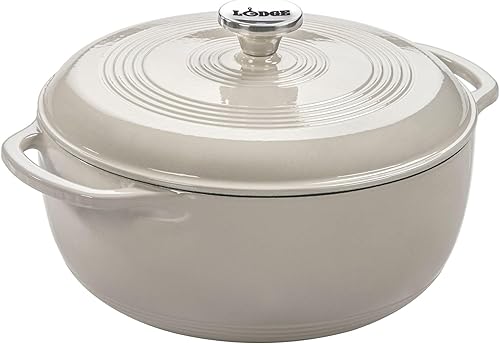
Amazon Basics Dutch Oven vs Lodge: what actually changes your choice?
Cooktop compatibility and empty weight are the main differences. The shared material and size make these pots useful for many of the same meals, but they do not make the pots interchangeable for every kitchen.
Lodge confirms compatibility with gas, electric, ceramic and induction cooktops. For Amazon Basics, confirm compatibility with your exact cooking surface before ordering, especially if induction is your only heat source.
Amazon Basics requires hand washing, while Lodge recommends it despite also describing the pot as dishwasher safe. Neither is a strong match if your main goal is cookware you can routinely leave to the dishwasher.
Their shared oven limit means you should choose by the recipe's full cooking method, including any high-heat bread step. A recipe that exceeds the limit calls for different cookware or an appropriate recipe change.
| Product | Best for | Capacity | Weight | Oven limit | Our score |
|---|---|---|---|---|---|
| Amazon Basics 6 Qt Enameled Dutch Oven | easier lifting | 6 qt | 13.1 lb | 500°F | 8.5 |
| Lodge 6 Qt Enameled Dutch Oven | induction kitchens | 6 qt | 14.9 lb | 500°F | 9.1 |
Amazon Basics vs Lodge Dutch ovens: choose by your usual meal
Choose around a meal you cook often, rather than a dish you might make once. A weekly soup pot, a weekend bread pot and a pot for large meat cuts place different demands on handling and space.
For soup and stew, allow room to stir without spilling over the rim. For a roast, the food needs to fit comfortably inside, with the lid able to close.
Bread dough needs room to expand, and moving dough into hot cookware requires a clear, safe work area. Neither pot's capacity tells you the size of every loaf or roast it can hold.
Who should buy Amazon Basics, and who should skip it?
Buy Amazon Basics if moving the pot is your main concern and its cooktop compatibility fits your kitchen. Its lower empty weight is a practical benefit each time you lift it from storage, wash it or transfer dinner to the table.
It suits cooks who want one pot for stews, roasting, baking and sautéing. Amazon Basics describes this size as suitable for serving about 4 to 6 people, though a main-course stew and a side dish will stretch differently.
The enamel surface also suits someone who wants cast iron without maintaining a seasoned cooking surface. Enamel needs gentle tools and cleaning, rather than the seasoning routine used for bare cast iron.
Skip Amazon Basics if you need confirmed induction support without another compatibility check. Lodge provides a clearer answer for that requirement.
Also skip it if you expect the lighter option to feel like an empty stainless steel saucepan. It remains substantial cookware, particularly when filled with broth, beans or a large cut of meat.
Our Amazon Basics Dutch oven review gives a closer look at its features and care requirements if this is the direction you're leaning.
Who should buy Lodge, and who should skip it?
Buy Lodge if confirmed cooktop compatibility is your first requirement, particularly in an induction kitchen. It also suits cooks who regularly make braises, simmer sauces or bake bread and can manage the added weight.
Lodge describes its porcelain enamel surface as nonreactive with acidic ingredients. That makes tomato-based dishes and marinades clear use cases without requiring a bare cast iron seasoning routine.
Its supported uses include marinating and refrigerating, as well as cooking. Plan those steps around gradual temperature changes, rather than treating the refrigerator-to-stove move as an immediate handoff.
Skip Lodge if lifting heavy cookware is already difficult. Choosing it for induction support only helps if you can also move, empty and clean it comfortably.
Don't choose it solely because you assume more weight means better browning, less sticking or longer life. Those outcomes cannot be ranked from weight alone, and cooking technique still matters.
Read our Lodge 6-quart Dutch oven review if you want more detail on how it fits everyday cooking.
Which pot is easier to lift, store and serve from?
Amazon Basics has the handling advantage on empty weight, but your storage position and carrying route matter too. It weighs 13.1 pounds, while Lodge weighs 14.9 pounds, a difference of 1.8 pounds.
Both have dual handles and a cast iron lid. Use 2 dry oven mitts when hot, and make sure you can grip both handles securely without resting your wrists against the pot.
Think through the full route from stove to oven to counter before buying. A clear landing spot beside the oven is more useful than a serving space across the kitchen.
Where practical, remove the lid and set it on a heat-safe surface before moving the pot. Keep your face and hands clear of escaping steam when you lift it.
Store heavy cookware on a sturdy, easy-to-reach shelf. A high cabinet can turn an otherwise manageable pot into an awkward overhead lift, while a deep low cabinet may force you to lift at arm's length.
If you're unsure whether this capacity fits your household, use our Dutch oven size guide before committing. Buying more space than you use also means carrying and storing more cookware.
How much food should you cook in either pot?
Use the same broad recipe sizes for both pots, but leave working room rather than filling either to the brim. Capacity measures volume, not a safe fill line for every dish.
Soup needs space for stirring and bubbling, while beans and grains need room to expand. A thick stew can be harder to stir without spilling than a thinner broth at the same fill level.
For meat, check how comfortably the cut sits inside before starting. A tall roast that prevents the lid from closing defeats the purpose of a covered braise.
Brown meat in batches if pieces crowd the bottom. Crowding traps moisture around the food and makes browning harder, even when the pot itself is large enough to hold the finished dish.
For small meals, ask whether you'll use leftovers or freeze portions. If you mostly cook single servings, a smaller pot may be easier to use daily than either of these options.
How should you set up and heat an enameled Dutch oven?
Wash, inspect and dry the pot before its first meal, then use controlled heat. Cast iron holds heat, so turning a burner higher is not always the quickest route to better cooking.
Check the enamel for chips or cracks, and make sure the lid sits properly. Resolve damage before cooking instead of trying to cover it with oil or seasoning.
Use a burner that suits the base, and keep gas flames beneath the pot. On glass surfaces, lift the cookware into position rather than dragging it.
For everyday sautéing or browning, start with moderate heat and add suitable cooking fat as the recipe directs. Give the pot time to warm, and avoid leaving it empty over a strong burner.
Once a stew reaches a simmer, reduce the heat enough to maintain gentle movement. A hard boil can break up tender ingredients and reduce liquid faster than you intended.
Use wood, silicone or another enamel-friendly tool for stirring and scraping. For a fuller first-meal walkthrough, see how to use a Dutch oven for the first time.
Which cooking habits make the biggest difference?
Manage moisture and heat before blaming the pot for pale meat, stuck food or a dry braise. Either model needs room for food to brown and enough liquid for a covered simmer.
Pat meat dry before browning, and let it develop a crust before trying to turn it. If it resists, give it a little more time instead of scraping hard against the enamel.
After browning, add recipe liquid gradually and loosen the browned bits with a gentle tool. Those bits add flavor, but blackened residue can make the dish bitter.
Keep enough liquid in a long braise to prevent the bottom from drying out. Check as the recipe directs, since cooking time, heat level and the amount of food all affect evaporation.
For bread, follow a method suited to enameled cookware and the pot's instructions. A popular bread recipe is not permission to exceed the cookware's heat limit or disregard guidance about empty preheating.
Which one is easier to care for?
Plan to hand wash either pot, then dry it before storage. This keeps your routine simple and follows Amazon Basics' requirement and Lodge's recommended approach.
Amazon Basics calls for warm, soapy water and says to avoid citrus-based cleaners and metal utensils. Lodge recommends warm, soapy water with a nylon scrub brush.
Lodge also describes the pot as dishwasher safe, while its care specifications say hand wash only. The dishwasher claim gives you no strong reason to choose it over Amazon Basics when hand washing remains the recommended routine.
Let the pot cool before adding wash water. Sudden temperature changes can damage enamel, so don't put a hot Dutch oven under a cold tap.
For stuck food, soak the cooled pot and work gently rather than attacking the surface with a metal scraper. Our guide to cleaning an enameled Dutch oven explains how to handle routine residue.
Enamel does not need seasoning like bare cast iron. Adding a baked-on oil layer is not a repair for a damaged cooking surface, and metal tools cannot safely scrape a chip smooth.
What common buying and cooking mistakes should you avoid?
Don't confuse a shared size or material with identical suitability. The right pot still needs to match your stove, your lifting ability and the recipes you actually use.
- Buying for color before cooktop fit: Confirm the cooking surface first, then choose the finish you prefer.
- Judging weight only when empty: Food adds to the load, and hot handles require a firm grip through oven mitts.
- Assuming cast iron needs maximum heat: Heat builds and lingers, so a lower setting may maintain the cooking temperature once the pot is warm.
- Treating enamel like a nonstick coating: Cooking fat, moderate heat and time for food to release still matter.
- Overcrowding during browning: Cook in batches, then return everything to the pot for the covered stage.
- Rushing cleanup: Cool the cookware first and soften stuck food before scrubbing.
- Buying around one ambitious recipe: Choose for the soups, sauces and braises you make regularly, then check occasional dishes separately.
If neither pot fits your handling or care needs, broaden the comparison before buying. Our budget Dutch oven guide covers nearby options, while the best Dutch ovens guide helps you compare across a wider range.
Amazon Basics Dutch Oven vs Lodge: which should you choose?
Let cooktop fit decide first, then handling. In this Amazon Basics Dutch oven vs Lodge comparison, induction users have a clear reason to choose Lodge; cooks whose main concern is carrying less weight have a clear reason to choose Amazon Basics.
Choose Amazon Basics when its stove compatibility is confirmed and you'll move it often between a shelf, sink and cooking area. Choose Lodge when its confirmed cooktop support and suitability for acidic marinades match your routine, and you can comfortably manage the load.
Before ordering, check your storage spot, oven space and usual recipe portions. The Dutch oven size guide is the next useful step if you're still deciding whether this size belongs in your kitchen.
Frequently asked questions
Is Amazon Basics or Lodge better for a Dutch oven?
Lodge is the better choice for an induction kitchen, while Amazon Basics suits cooks who put easier lifting first. Since both offer the same nominal capacity and oven limit, choose by cooktop compatibility, the weight you can carry with food inside, and your willingness to hand wash.
Are both Dutch ovens safe at 500°F?
Both Dutch ovens are oven safe up to 500°F, so maximum oven temperature does not separate them. Keep your recipe within that limit, follow the instructions for your exact pot and lid, and use gradual temperature changes rather than moving cold cookware straight into intense heat.
Can the Lodge Dutch oven go in the dishwasher?
Lodge describes this Dutch oven as dishwasher safe but recommends hand washing, while its care specifications also say hand wash only. Choose warm, soapy water and a nylon scrub brush as the regular routine, and let the pot cool before cleaning to avoid a sudden temperature change.
Which Dutch oven is lighter?
Amazon Basics weighs 13.1 pounds, compared with 14.9 pounds for Lodge, making it 1.8 pounds lighter before food goes in. That difference helps when moving cookware between a shelf, stove and sink, but neither is a light pot once you add a roast, broth or stew.


