How to Use a Dutch Oven for the First Time
Here's how to use a Dutch oven: wash and dry it, heat it gradually, and follow your recipe. Check its care guide for cooktop and oven limits, and use dry oven mitts on hot handles.
On this page (9 sections)
- How do you use a Dutch oven for the first time?
- How should you heat a Dutch oven on the stovetop?
- Can you put a Dutch oven in the oven?
- How do you use an enameled Dutch oven?
- How do you use a seasoned cast iron Dutch oven?
- How do you clean a Dutch oven after its first meal?
- What mistakes should you avoid when using a Dutch oven?
- How do you choose a Dutch oven for your first recipes?
- Which Dutch oven should you choose and use first?
Here's how to use a Dutch oven: wash and dry it, warm it gradually, and control the heat as you cook. Check its care guide for cooktop compatibility and oven limits before your first meal.
Start with soup or a covered braise so you can learn how the pot holds heat. Enamel and seasoned cast iron can handle many of the same meals, but their cleaning and storage needs differ.
How do you use a Dutch oven for the first time?
Start with a clean, dry pot and a simple recipe. Read the care guide before heating, especially if your recipe calls for empty preheating or a move from stovetop to oven.
- Wash the pot and lid with warm, soapy water, then dry both.
- Check that the pot fits your burner and oven with the lid on.
- Prepare ingredients before turning on the heat.
- Add oil or liquid as directed, then warm the pot over low or medium heat.
- Cook according to your recipe, adjusting the burner as the pot heats.
- Use dry oven mitts on both handles and set the pot on a trivet.
Clear a landing spot before lifting a full pot. A Dutch oven becomes much harder to handle once you add food, so avoid carrying it farther than needed.
If you haven't chosen a finish, our enameled cast iron Dutch oven guide explains how enamel differs from bare cast iron.
How should you heat a Dutch oven on the stovetop?
Use low or medium heat to start, then adjust for the food. Cast iron holds heat, so turning the burner higher won't give you better control.
Match the burner to the base and keep gas flames beneath it. On glass cooktops, lift the pot rather than sliding it, and follow the cooktop's cookware guidance.
For searing, pat food dry and add it in batches with space between pieces. Crowding traps moisture, which makes browning harder.
Once food browns, lower the heat before adding liquid. Add it carefully to limit splashing, then loosen browned bits with a wooden or silicone utensil.
If you're unsure about compatibility, read how to use a Dutch oven on an induction cooktop. Avoid using an induction boost setting to rush the warm-up.
How to use a Dutch oven for a first braise
Brown, add liquid, cover, and cook gently for a basic braise. Use a recipe with clear liquid amounts and cooking times rather than filling the pot by eye.
Brown the main ingredient in batches, set it aside, and cook any vegetables the recipe calls for. Add the recipe's liquid, loosen the browned bits, and return the food to the pot.
Bring it to a gentle simmer before covering or transferring it to the oven. A hard boil can reduce liquid too quickly; check occasionally and add warm liquid if the recipe needs it.
Keep the lid on to hold moisture, or uncover near the end when you want a thicker sauce. Lift the lid away from your face so steam escapes safely.
Can you put a Dutch oven in the oven?
Yes, within the temperature limits of every part, including the lid and knob. Position the oven rack before heating so you won't need to shift it while holding heavy cookware.
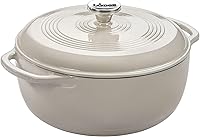
The Lodge 6 Qt Enameled Dutch Oven is oven-safe up to 500°F and works on gas, electric, ceramic, and induction cooktops. It suits cooks who want one enameled pot for stovetop meals and covered oven dishes.
Its empty weight is 14.9 pounds, so skip it if lifting heavy cookware is difficult. Before choosing it, consider the combined weight of the pot, lid, and a full meal.
For bread, check whether your pot allows the empty preheat your recipe requests. The oven temperature limit alone doesn't mean every heating method is suitable.
Use both handles when moving the pot, and keep mitts dry. Place the hot lid on a heat-safe surface where nobody will grab it by mistake.
How do you use an enameled Dutch oven?
Use enamel for soups, sauces, braises, and other meals without a seasoning routine. Warm it gradually and choose wood or silicone tools to protect the cooking surface.
Enamel isn't a nonstick coating, so use the fat or liquid your recipe needs. If meat sticks during browning, give it time to form a crust before trying to turn it.
The Amazon Basics 6 Qt Enameled Dutch Oven suits cooks making meals for 4–6 people. Its 500°F oven limit supports covered oven recipes, and its empty weight is 13.1 pounds.
Choose it if you want a family-size pot and will hand wash it after cooking. Skip it if you need a compact pot for small portions or cookware you can put straight into the dishwasher.
Amazon Basics advises warm, soapy water and no citrus-based cleaners or metal utensils. For material questions, see are enameled Dutch ovens safe?.
Don't pour cold water into hot enamel or move a refrigerated pot straight onto a hot burner. Sudden temperature changes can damage the coating.
How do you use a seasoned cast iron Dutch oven?
Use seasoned cast iron when you're willing to dry and oil the surface after cleaning. Its seasoning needs care, and moisture left on bare iron can cause rust.
The Lodge 5 Qt Cast Iron Dutch Oven suits cooks who want a pot plus a lid that doubles as a dual-handle skillet. It can be used on stovetops, in ovens, on grills, and over campfires, with a stated temperature rating of 400°F.
Choose it if you'll use the skillet lid and maintain both pieces. Skip it if you mainly cook long-simmered tomato sauces or want to leave leftovers in the pot, since acidic food and prolonged moisture can affect seasoning.
Wash it by hand, dry it promptly, and apply a very thin coat of cooking oil as its care guide directs. Wipe away excess oil so the surface doesn't feel sticky.
Don't store it with food inside or leave it soaking. Check that both pieces are dry before putting them away.
How do you clean a Dutch oven after its first meal?
Let the pot cool before washing, then use warm, soapy water and a nonabrasive sponge or brush. Never run cold water into a hot pot to loosen residue.
For cooled enamel, a short warm-water soak can soften stuck food. Our guide to cleaning an enameled Dutch oven explains gentle methods.
Seasoned iron needs prompt washing and complete drying rather than soaking. Store either finish dry, with the lid slightly ajar if needed to let moisture escape.
Hand washing is the simplest care routine for these choices. Read are Dutch ovens dishwasher safe? before using a dishwasher, since care rules vary.
For scorched residue, follow how to clean a burnt Dutch oven. Scraping harder with a metal tool can turn a cleaning problem into damaged enamel.
What mistakes should you avoid when using a Dutch oven?
The biggest mistakes are rushing the heat, crowding the base, and mishandling hot cookware. Change those habits before assuming the pot needs a higher burner setting.
- Burning aromatics: Lower the heat before adding garlic or spices to a pot that's already hot.
- Boiling instead of simmering: Reduce heat once bubbles form; retained heat keeps the food cooking.
- Filling to the rim: Leave room to stir and for food to bubble without spilling.
- Checking too often: Repeated lid lifting releases heat and moisture during covered cooking.
- Leaving handles unprotected: Keep dry mitts nearby even after the burner is off.
If food begins to catch, lower the heat and check the liquid level. Don't stir a blackened layer through the meal, which can spread a burnt flavor.
How do you choose a Dutch oven for your first recipes?
Choose by finish, meal size, and lifting weight before color. A pot that suits your meals and is comfortable to handle will be easier to use regularly.
Pick enamel for frequent tomato sauces, soups, and braises without seasoning care. Choose seasoned iron if you value the skillet lid or outdoor use and accept the extra drying and oiling.
Capacity needs depend on the recipe, not just the number of diners. Bread needs clearance to rise, while browning meat needs enough base space to avoid repeated batches.
Check cupboard space, oven clearance, and the room around the handles. Our Dutch oven sizes and shapes section can help you narrow the fit.
For more help weighing these choices, read how to choose a Dutch oven. Compare your usual recipes with the pot's limits before ordering.
Which Dutch oven should you choose and use first?
Choose Lodge enamel for a range of cooktops and oven meals, Amazon Basics enamel for family portions with hand-wash care, or seasoned Lodge for its skillet lid and outdoor uses. If weight is your main concern, check the full cooking load before committing to any cast iron option.
Learning how to use a Dutch oven starts with one manageable meal: make a soup or braise, watch the simmer, and clean the pot once it cools. If these choices don't fit your kitchen, compare the best Dutch ovens for other options.
Frequently asked questions
Do you need to season a new enameled Dutch oven?
No, enameled Dutch ovens don't need seasoning because the enamel covers the cooking surface. Wash the pot and lid with warm, soapy water, rinse, and dry before the first meal; save seasoning routines for bare cast iron, and follow your pot's instructions for any exposed iron edges.
Can you put a Dutch oven on the stovetop?
Yes, if your Dutch oven is compatible with that cooktop. Match the burner to the base, add oil or liquid as directed, and warm the pot gradually over low or medium heat; on glass surfaces, lift rather than slide it, and check the cooktop's cookware guidance.
Do you need to preheat a Dutch oven?
Preheat only as your recipe and cookware instructions allow. For stovetop cooking, warm the pot gradually with oil or liquid as directed; bread recipes may call for an empty pot in a hot oven, but that method must stay within the pot's care rules and temperature limit.
How do you clean a Dutch oven after cooking?
Let it cool, then hand wash with warm, soapy water and a nonabrasive sponge or brush. A short soak can loosen food on enamel, but don't soak seasoned cast iron; dry all parts fully, and apply a thin coat of oil to seasoned iron as its care guide directs.