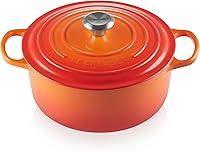
How to Clean an Enameled Dutch Oven
To clean an enameled Dutch oven, let it cool, wash by hand with warm water and mild dish soap, then rinse and dry thoroughly. Soften stuck food with a soak before using a nonabrasive sponge or an approved plastic scraper.
On this page (8 sections)
- How do you clean an enameled Dutch oven after cooking?
- How can you loosen stuck-on food without scratching the enamel?
- How do you remove stains or discoloration?
- Can you use Bar Keepers Friend on enameled cast iron?
- How should you choose a cleaner or cleaning tool?
- What mistakes should you avoid when cleaning enamel?
- How should you dry and store the Dutch oven?
- Which cleaning approach should you choose?
To clean an enameled Dutch oven, let it cool, wash by hand with warm water and mild dish soap, then rinse and dry thoroughly. Soften stuck food before wiping it away with a nonabrasive sponge or an approved plastic scraper.
Knowing how to clean an enameled Dutch oven starts with separating stuck food from stains. Raised residue needs loosening; a smooth brown mark may need an enamel cleaner, while chipped enamel needs attention rather than harder scrubbing.
How do you clean an enameled Dutch oven after cooking?
Use warm, soapy water and a soft sponge for routine cleaning. Specialty cleaners are a next step for marks that remain after food and grease are gone.
Before you start, clear enough sink space to support the pot without knocking it against other cookware. Set out dish soap, a nonabrasive sponge, and a clean drying cloth.
- Let the pot cool. Wait until you can handle it safely before adding wash water.
- Remove loose food. Empty leftovers and wipe away excess grease before washing.
- Wash inside and out. Clean the base, sides, handles, and lid with light pressure.
- Soak remaining residue. Add enough warm, soapy water to cover stuck food, then try wiping again.
- Rinse thoroughly. Remove soap from the cooking surface and around the lid.
- Dry completely. Wipe the interior, exterior, rim, and lid before storage.
Wash a heavy Dutch oven while it rests securely in the sink rather than holding it with slippery hands. Avoid letting the rim or lid strike the faucet.
Check the care guide before using a dishwasher or specialty cleaner. Our guide to whether Dutch ovens are dishwasher safe explains why the answer can depend on the pot and its parts.
How can you loosen stuck-on food without scratching the enamel?
Soften residue before scraping it. Start with a warm, soapy soak, then check whether the food lifts with a soft sponge.
Keep the affected area covered with water while it soaks. If the residue still resists light pressure, give it more time instead of bearing down on one spot.
For stubborn food, Lodge recommends simmering water for 3 to 5 minutes, then using a pan scraper after the cookware has cooled. Follow your own pot's instructions before using this method, and add water only after the pot has cooled from cooking.
A simmer means gentle bubbling, not boiling the pot dry. Stay nearby, turn off the heat, and allow the water and cookware to cool before emptying or scraping.
Does a care kit help clean an enameled Dutch oven?
A care kit helps if you need both cleaning tools and a cleaner. The Lodge Enameled Care Kit includes cleaner, a pan scraper, a scrub brush, pot protectors, and a use and care booklet.
The scraper is rigid polycarbonate, and the brush has a plastic head with stiff nylon bristles. Use either only as your cookware's care instructions allow, with light pressure on softened residue.
Choose this kit when you're setting up a cleaning routine and also stack your cookware. Skip it if you already have suitable tools and storage protection, since a separate cleaner avoids buying duplicate supplies.
Enamel doesn't need seasoning like bare cast iron. Keep care instructions for those surfaces separate, and don't add a seasoning step to the glazed interior.
How do you remove stains or discoloration?
Clean off food and grease first, then treat any remaining stain with a cleaner approved for your enamel. A smooth mark calls for a different approach from a crust of burnt food.
Inspect the cooled, clean surface in good light. If it feels smooth through a soft cloth, stop treating it like something that needs to be pried loose.
Le Creuset says its cleaner removes heat stains, discoloration, grit, and grime while preserving and enhancing enamel's shine. It works on both sand and matte black interiors.
Le Creuset's directions are to apply the cleaner, rinse with water, and wipe clean. Follow the bottle's full instructions for the amount and application method rather than inventing a long soak or heating the cleaner.
Choose this bottle if your main problem is staining on compatible enamel and you already have a suitable sponge. Skip a specialty cleaner for ordinary food that comes off with soap and water.
Don't scrub a matte interior in an effort to make it glossy. Its finish should guide your care routine, and a cleaner should not be used to change that finish.
For a layer of burnt food, follow our guide to cleaning a burnt Dutch oven. Our guide to enameled Dutch oven safety and care also explains what to consider when the surface looks damaged.
Can you use Bar Keepers Friend on enameled cast iron?
Use this cookware cleanser on enamel only with explicit approval from both the cleaner's directions and your cookware's care guide. Bar Keepers Friend Cookware Cleanser is intended for stainless steel cookware, glass lids, and certain other surfaces.
It suits a kitchen that also needs a cleanser for supported stainless steel pans. Bar Keepers Friend says it cuts through oil, baked-on food, mineral deposits, and rust stains on suitable surfaces.
Skip it as a default buy for an enameled Dutch oven. The enamel-focused options above fit this task more directly, subject to your pot's care instructions.
Approval for a porcelain sink doesn't guarantee approval for an enameled cooking surface. Keep surface instructions separate, even when two items look similar.
How should you choose a cleaner or cleaning tool?
Choose by surface compatibility and the problem you're solving, then check which supplies you already own. A complete kit makes sense only if you'll use its extra pieces.
For everyday washing, you need mild dish soap, a nonabrasive sponge, and a drying cloth. A scrub pad marketed for tough messes isn't automatically suitable for enamel.
For stuck food, prioritize soaking and an approved scraper. A cleaner aimed at discoloration doesn't replace the need to soften a thick crust first.
For stains, choose an enamel cleaner that covers your interior finish. Read application and rinsing instructions before opening it, and keep cleaners in their original containers.
For storage, consider whether your pots touch each other. Protectors are useful between stacked pieces, while an unstacked Dutch oven may not need them.
If you're choosing a new pot too, handle shape, weight, and access to the interior affect washing. Our guide to choosing a Dutch oven helps you weigh those practical details before buying.
What mistakes should you avoid when cleaning enamel?
Avoid forceful scraping, harsh abrasives, and sudden temperature changes. A stronger tool can turn removable food residue into lasting surface damage.
Don't pour cold water into a hot pot or place hot cookware in a cold sink full of water. Cooling comes before washing, including when you're in a hurry.
Don't use a knife, fork, or metal spatula to pry food from the base. Work on softened residue with an approved tool instead.
Never mix cleaners, and don't add another product to a pot that still contains cleaning solution. Rinse as directed before changing methods.
Don't assume a dark mark means the enamel has worn away. Clean gently and inspect it; if you see chips or flaking on the cooking surface, stop using the pot and contact the cookware brand for guidance.
Prevent repeat buildup by using the heat level your recipe and cookware instructions call for. Letting sauces cook dry or leaving food unattended can create a much harder cleanup.
How should you dry and store the Dutch oven?
Dry every part before storage, including the rim and underside of the lid. A pot that looks dry inside can still hold water around edges and handles.
Use a clean cloth, then check for trapped moisture before closing the lid. If moisture tends to collect inside, store the lid slightly open in a stable position.
Avoid sliding another heavy pot across the enamel when stacking cookware. Lodge says its included pot protectors help protect enameled cookware against chipping during storage.
Lift the Dutch oven with both handles and set the lid down gently. For cooking habits that support easier cleanup, see how to use a Dutch oven.
Which cleaning approach should you choose?
For anyone learning how to clean an enameled Dutch oven, buy according to the residue and the supplies you lack. Don't add a specialty product until you know what needs removing.
- Ordinary food and grease: use dish soap, warm water, and a nonabrasive sponge.
- Stuck food and missing tools: consider the Lodge kit, especially if you also need storage protectors.
- Stains on compatible enamel: choose the Le Creuset cleaner if you already have suitable tools.
- Supported stainless steel cookware: consider Bar Keepers Friend for those pans, with enamel use requiring separate approval.
If damage leaves you shopping for a replacement, compare our best Dutch ovens with handling and care in mind. For more cleaning and storage questions, browse the Dutch oven care and use guides.
Frequently asked questions
Can you use steel wool on an enameled Dutch oven?
No, avoid steel wool because it can scratch the enamel; use a nonabrasive sponge or a plastic scraper approved for your cookware, and soften stuck food before applying pressure. A longer soak is a better next step than switching to a rougher pad or a metal scraping tool.
How do you remove brown stains from enameled cast iron?
Wash away food and grease first, then use an approved enamel cleaner if brown discoloration remains; follow the cleaner's directions and your cookware's care guide, including guidance for its interior finish. Don't keep increasing scrubbing pressure to chase a stain, and rinse thoroughly before cooking again.
Can you clean an enameled Dutch oven with baking soda?
Use baking soda only if your cookware's care guide permits it, and follow the method given for that pot; if a water paste is allowed, apply it gently with a soft sponge and rinse well. Don't combine it with another cleaner or assume a gritty paste needs forceful scrubbing.
Should you clean an enameled Dutch oven while it is hot?
Let the Dutch oven cool before washing it; sudden temperature changes can stress the cookware, and the pot, lid, and handles may remain hot after cooking. Once it has cooled, add warm water and dish soap, loosen any stuck food, and wash with a nonabrasive sponge.