Dutch Oven vs Braiser: Which One Do You Need? (October 2026)
In the Dutch oven vs braiser choice, pick a Dutch oven for soups, large stews and bread, or a braiser for shallow braises and one-pan dinners. Match the shape to your usual meals, then check capacity and handling.
On this page (8 sections)
- Dutch oven vs braiser: how do their shapes differ?
- Which one fits your regular meals?
- Can one replace the other in a recipe?
- How should you set up either pan for cooking?
- Which common mistakes make either shape harder to use?
- Which one is easier to handle and clean?
- What should you buy first if you already own other pans?
- Dutch oven vs braiser: which should you choose?
Choose a Dutch oven for soups, large stews and bread, or a braiser for shallow braises and one-pan dinners. The Dutch oven vs braiser decision comes down to whether you need more room above the food or more room to spread it out.
Both can brown ingredients, simmer a sauce and finish a meal under a lid. Their shapes make different jobs easier, so start with the meals you cook each week.
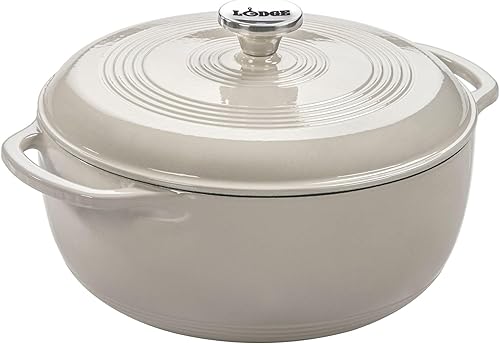
The Lodge Dutch oven below suits a varied recipe rotation. The Lodge and Overmont braisers suit cooks who want easier access to chicken pieces, vegetables and other food arranged in a shallow layer.

Dutch oven vs braiser: how do their shapes differ?
A Dutch oven has taller walls for volume, while a braiser generally has lower walls and a broader cooking area. Depth helps contain liquid; a broad base helps you arrange food without stacking it.
Capacity and cooking area answer different questions. Quarts tell you how much a vessel holds, but they don't tell you how many chicken thighs fit flat against its base.
| Cooking need | More useful shape | Why it helps |
|---|---|---|
| Soup or broth-heavy stew | Dutch oven | Taller walls provide room for liquid and stirring |
| Chicken pieces in sauce | Braiser | A broad layer keeps pieces accessible |
| Tall covered bread loaf | Dutch oven | More clearance above rising dough |
| Sauce reduction | Braiser | A broad exposed surface encourages evaporation |
| Large batch of beans | Dutch oven | Depth accommodates beans and cooking liquid |
| Serving a shallow meal | Braiser | Low sides make portions easier to lift out |
These are starting points, not limits. You can braise in a Dutch oven and simmer a small stew in a braiser if the food fits.
Dutch oven vs braiser: which gives you more room for liquid?
A Dutch oven gives you more useful depth for broth and bulky ingredients. Leave room above the food so you can stir without pushing liquid over the edge.
A braiser is better suited to a modest amount of sauce around food than a full pot of broth. Its stated capacity isn't a sensible fill line for an actively bubbling meal.
Use our Dutch oven size guide if leftovers or batch size drive your choice. Judge serving capacity by the whole meal, including vegetables, beans and sauce.
Which shape is easier for searing?
A braiser makes turning and lifting food easier because you don't have to reach past tall walls. The usable flat base still matters more than the pan's widest outer measurement.
Either shape needs space between ingredients for browning. Crowded food releases moisture faster than it can escape, leaving pale surfaces instead of a browned crust.
Which one fits your regular meals?
Choose the Dutch oven for a varied mix of deep dishes, or the braiser for meals built around a shallow layer. Picture your last several dinners rather than a recipe you might make once a year.
A Dutch oven earns its space when you alternate between chili, soup, beans, pot roast and bread. Its depth also helps contain splashes while you stir a thick sauce.
A braiser earns its space when dinner often starts with browning chicken, mushrooms or vegetables, followed by a small amount of liquid. The low walls also make it easier to spoon sauce over food.
Who should buy the Lodge Dutch oven?
The Lodge 6 Qt Enameled Dutch Oven suits batch cooks and buyers choosing their first covered cast iron pot. Its capacity gives you room for meals with leftovers without limiting you to shallow recipes.
It works on gas, electric, ceramic and induction cooktops, and it can go into the oven up to 500°F. The enamel surface also suits acidic ingredients such as tomatoes.
Skip this size if most dinners are small, storage is tight or lifting a full pot would be difficult. At 14.9 lb before food, it needs a comfortable route between the stove, oven and sink.
If bread is your main reason for buying, match the pot to the loaf's width and rise. Our guide to choosing a Dutch oven explains how size, shape and enamel affect the choice.
Who should buy the Lodge braiser?
The Lodge 3.6 Qt Enameled Braiser suits cooks who want to serve a covered dinner from the pan. Its shallow shape lets you arrange food for cooking and reach it easily at the table.
Dual assist handles provide a grip on both sides, and its cast iron lid supports covered cooking. The pan works across the same common cooktop types as the Dutch oven.
Skip it if you expect a shallow pan to be light. It weighs 13.5 lb before food, so the lower profile doesn't remove the handling demands of cast iron.
It also isn't the right substitute for a soup pot. Choose it for meals that fit comfortably in a broad layer with sauce around them.
Who should buy the Overmont braiser?
The Overmont 3.8 Qt Shallow Braiser suits couples and small families cooking one-pan dinners. Its wide cooking surface accommodates searing, sautéing and simmering before serving.
A cookbook and heat-resistant handle caps come with it. The enamel coating requires no seasoning, and Overmont recommends hand washing.
Skip it if your main need is a tall pot for large batches. Its small capacity increase over the Lodge braiser shouldn't decide the purchase by itself.
Check the space available on your stove, shelf and table instead. A shallow pan can demand more horizontal storage space than you expect.
Can one replace the other in a recipe?
A Dutch oven can replace a braiser in many recipes, while a braiser can replace a Dutch oven only when the food and liquid fit safely. Shape changes evaporation and ingredient spacing, so watch the food as it cooks.
For a covered chicken braise, either shape can work. Brown in batches as needed, then arrange the pieces and add the recipe's liquid without filling to the rim.
Don't automatically add more liquid just because the Dutch oven looks deep. Braising usually uses liquid around part of the food rather than fully submerging everything.
When moving a deep-pot recipe into a braiser, reduce the batch if it crowds the pan. Keep ingredient proportions consistent, but check doneness directly because a smaller batch may cook differently.
Sauce may reduce faster in a broader uncovered pan. If the food is tender before the sauce thickens, remove it and reduce the liquid separately rather than cooking the food longer.
For more shallow-pan options, see our enameled braiser guide. The sizes and shapes guide explains where these vessels fit among other Dutch oven styles.
How should you set up either pan for cooking?
Set up either pan with a clear work area, moderate heat and a safe landing spot. Heavy cast iron is easier to manage when you plan transfers before the pan gets hot.
Check oven rack clearance with the lid in place. Put a dry trivet near the stove or table, and clear anything that could catch a handle during a transfer.
Use a burner that suits the pan's base rather than assuming the largest burner is best. On a glass cooktop, lift the cookware instead of dragging it.
For stovetop browning, warm the pan gradually with cooking fat as directed by the recipe and cookware instructions. Cast iron holds heat, so turning the burner to maximum isn't a shortcut to controlled browning.
Dry the surface of meat or vegetables before adding them. Work in batches when necessary, and give browned food a separate plate while you cook the next batch.
When adding liquid, avoid pouring cold liquid into a very hot, dry enamel pot. Add it carefully, scrape browned bits with a suitable utensil and lower the heat for a gentle simmer.
Use dry oven mitts and both handles for transfers. For a new pot, our first-use Dutch oven guide covers preparation and the first cooking session.
Which common mistakes make either shape harder to use?
The biggest mistakes are crowding the base, adding too much liquid and using excessive heat. Choosing the right shape helps, but it doesn't replace good heat and moisture control.
Filling to the stated capacity
Treat capacity as a size reference, not a cooking target. Leave space for stirring, bubbling and ingredients that expand or release liquid.
A full braiser is especially awkward to move because its low rim leaves little margin for sloshing. Reduce the recipe before starting if it barely fits.
Keeping the lid on when the sauce needs to thicken
Use the lid to retain moisture during covered cooking, then uncover when the recipe calls for reduction. A tight lid won't turn a thin sauce into a thick one by itself.
Check the liquid during a long cook. Add more only when needed, and keep the simmer gentle rather than boiling hard.
Expecting enamel to behave like a nonstick skillet
Use enough cooking fat and allow food to brown before trying to move it. Forcing a stuck piece loose too soon can tear its surface.
Choose wood, silicone or other enamel-safe utensils. Avoid cutting food inside the pan or scraping aggressively with sharp metal edges.
Using bread instructions without checking cookware limits
Check the required oven temperature and the cookware's instructions before following a bread recipe. A recipe that calls for empty preheating may not suit every enameled vessel.
A braiser's lid clearance also matters for bread. A loaf that fits before rising may press against the lid during baking.
Which one is easier to handle and clean?
A braiser is easier to reach into, but neither shape removes the weight or care demands of enameled cast iron. Hand washing is the simplest shared routine for these 3 options.
Let the cookware cool before washing it. Sudden temperature changes can damage enamel, so don't put a hot pan under cold running water.
Use warm, soapy water and a soft sponge or nylon brush. For stuck food, soak the cooled pan before scrubbing instead of reaching for harsh abrasives.
Dry the cookware before storing it, and protect the enamel if you stack another pot inside. A soft separator helps prevent contact between hard edges.
The Lodge Dutch oven's care guidance includes dishwasher-safe wording, but it recommends hand washing. Hand washing also avoids the conflicting dishwasher guidance supplied for the Lodge braiser.
Our guide to cleaning an enameled Dutch oven explains how to remove residue gently. The same basic approach suits an enameled braiser.
For handling, check more than empty weight. Food adds weight, oven mitts change your grip and a low oven rack can make a full vessel harder to lift.
If a transfer feels awkward, remove the lid first and move it separately when safe. Serve from the stove rather than carrying a full hot pot across the kitchen.
What should you buy first if you already own other pans?
Buy the shape that fills a gap in your current cookware. A new pan is more useful when it adds a cooking job rather than duplicating one you already handle well.
If you own a stockpot and a good skillet, a braiser can add covered oven cooking in a shallow format. It's most useful when you want to brown, simmer and serve without changing vessels.
If your cookware is mostly shallow frying pans, a Dutch oven adds depth for beans, soup and larger covered meals. It can also handle many of the braiser recipes you might want to try.
If you already own a Dutch oven, buy a braiser only if reaching into tall walls or arranging food keeps causing trouble. Occasional batch searing alone may not justify another heavy pan.
For a small kitchen, measure the storage shelf before choosing either. A braiser's low height helps under a shelf, while its broad footprint can still occupy most of the space.
Dutch oven vs braiser: which should you choose?
For the Dutch oven vs braiser decision, choose around your next several meals. If they need broth, generous leftovers or room for a rising loaf, the Lodge Dutch oven is the more useful first buy.
Choose the Lodge braiser when shallow covered meals and table serving are your priority. Choose the Overmont braiser when its small-household focus and included cookbook suit your cooking routine.
Skip adding a second vessel until you can name the job your current pan makes difficult. That keeps the choice tied to dinner rather than another piece of cookware to store.
Once you've settled on the deeper shape, our best Dutch ovens guide helps you compare options. For another look at vessel profiles, return to the sizes and shapes guide.
Frequently asked questions
Is a Dutch oven the same as a braiser?
No, a Dutch oven has taller sides, while a braiser is generally wider and shallower. Both can brown food and cook covered, but the Dutch oven favors volume and the braiser favors a broad layer of ingredients; choose by recipe shape as well as capacity.
Can you use a Dutch oven instead of a braiser?
Yes, a Dutch oven can handle many braiser recipes. Brown food in batches if needed, then add liquid and cover as directed; watch the sauce near the end: a different base width can change how quickly it reduces, so use the recipe's texture cues rather than time alone.
Can you use a braiser instead of a Dutch oven?
Yes, for recipes that fit comfortably below the rim with space for bubbling and stirring. A braiser works for shallow stews, chicken pieces and smaller braises; reduce the recipe if needed, and choose a deeper pot when broth or tall ingredients would crowd the pan.
Which is better for bread, a Dutch oven or braiser?
A Dutch oven is usually the better choice for a tall covered loaf because its deeper walls leave room for dough to rise. A braiser may suit flatter breads, depending on the recipe; check lid clearance, the cookware's heat limit and any restrictions on empty preheating before baking.
Should I buy a Dutch oven or braiser first?
Buy a Dutch oven first for a mixed routine of soups, beans, stews and bread. Choose a braiser first if you already have a deep pot and mostly want a covered pan for seared dinners; check storage and lifting comfort before choosing either heavy cast iron option.


