Overmont Dutch Oven vs Lodge: Which Is Better? (October 2026)
In the Overmont Dutch oven vs Lodge choice, pick Lodge for larger batches or Overmont for family meals with included accessories. Choose by recipe size and safe handling first.
On this page (9 sections)
- Overmont Dutch oven vs Lodge: which size fits your meals?
- Who should buy Lodge, and who should skip it?
- Who should buy Overmont, and who should skip it?
- What do the enamel and lid differences mean for dinner?
- Can either pot handle your stove, oven and bread recipes?
- How should you set up either Dutch oven for its first meal?
- Which is easier to care for after cooking?
- Which common mistakes should you avoid with either pot?
- Overmont Dutch oven vs Lodge: the final decision
In the Overmont Dutch oven vs Lodge choice, buy Lodge if you regularly need more room for batch cooking; buy Overmont if your family recipes fit and its included accessories fill gaps in your kitchen.
Both cover the same core jobs: soups, stews, braises and bread. The useful differences are capacity, lid details, included extras and how each fits your cooking routine.
Start with the meal you make most often, not a special dinner you might cook once. A pot that fits your usual recipe and is easy to handle will earn more use.
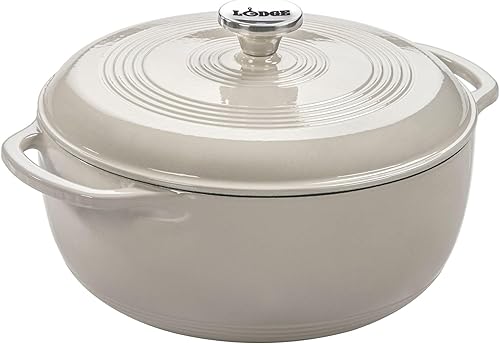

Overmont Dutch oven vs Lodge: which size fits your meals?
Lodge gives you more batch space, while Overmont suits cooks whose recipes already fit a slightly smaller pot. Neither capacity should be treated as a fill-to-the-rim cooking target.
Lodge holds 6 quarts, and Overmont holds 5.5 quarts. The difference is half a quart, or 2 US cups, which adds some room without moving you into a very different size class.
That room helps when you stir a thick stew, fold greens into soup or add vegetables around a braise. It doesn't guarantee that a wide roast or large chicken will fit.
Overmont describes its pot as suitable for families of 3 to 5 and a whole chicken. Treat that as a starting point, since appetites, side dishes and the size of the chicken change what fits.
Overmont vs Lodge Dutch oven capacity for leftovers
Choose Lodge when leftovers are part of the plan and your current recipes nearly fill a similar pot. Its extra room is useful for cooks who want dinner plus portions for another day.
Choose Overmont when you usually cook a meal to serve that evening and don't need extra volume. Don't assume it saves much cabinet space simply because its capacity is lower.
Measure your shelf opening, oven clearance and sink before ordering. Handles and the lid take up space beyond the cooking cavity.
For meal planning, use our Dutch oven size guide. If neither capacity feels right, compare the alternatives in our best 5 to 6 quart Dutch ovens guide.
Who should buy Lodge, and who should skip it?
Buy Lodge for fuller batches and a pot-centered choice when you already have the kitchen tools you need. Its appeal here is the extra cooking room, not an accessory bundle.
It suits a cook who often makes chili, soup or a long braise and wants some room left for stirring. It also makes sense when a recipe specifically calls for its capacity.
The tradeoff is handling: Lodge weighs 14.9 pounds before food is added. A full pot demands more effort when moving it into the oven, carrying it to the table or washing it.
Skip Lodge if that empty weight already sounds uncomfortable. Dual handles give you 2 grip points, but they don't remove the lifting load.
Also skip it if you mainly cook small portions and won't use the extra space. A larger pot can still cook smaller meals, but it needs storage and sink room every day.
Don't choose it for a guaranteed dishwasher routine. The simplest care plan for this comparison is washing by hand.
Who should buy Overmont, and who should skip it?
Buy Overmont when its family-meal capacity fits and you can use the included kitchen extras. It suits someone building a cookware setup or replacing several worn accessories alongside a pot.
The set includes a cookbook, 2 cotton handle covers and a silicone mat. Those are useful additions if you need recipe ideas and places to grip or rest cookware.
They should remain secondary to pot fit. A cookbook won't help if your usual recipe crowds the pot, and duplicate accessories add little if your kitchen is already equipped.
Skip Overmont if you routinely stretch recipes for guests or want the most batch space between these 2 choices. Choose for the meals you actually cook, including leftovers.
Don't choose it on the assumption that a smaller capacity means easier lifting. Capacity alone doesn't guarantee weight or how comfortable a hot, loaded pot will feel.
The pot's heat limit also doesn't guarantee a heat limit for its accessories. Follow their separate instructions, and don't leave the cotton covers attached during oven cooking unless those instructions explicitly allow it.
What do the enamel and lid differences mean for dinner?
Both provide an enamel cooking surface, while Overmont adds a specific condensation-bump lid design. These details affect care and moisture management more than they change which recipes you can attempt.
Overmont has a triple-layer enamel coating and requires no seasoning. Overmont says the surface resists staining, flavor transfer and damage from acidic foods.
Lodge says its porcelain enamel surface won't react with acidic ingredients. That makes tomato-based dishes a reasonable use for either pot, while normal cooking and cleaning care still matter.
More enamel layers don't mean one finish will resist every chip or stain better. Protect either surface from impacts, metal scraping and sudden temperature changes.
Overmont's lid bumps are designed to collect condensation and return it to the food. Lodge describes its lid as moisture sealing.
For a braise, keeping the lid on helps retain moisture, but it doesn't replace checking liquid and heat. A hard boil can still reduce liquid too quickly and overcook parts of the meal.
For a thicker sauce, uncover the pot near the end and simmer gently while watching it. Returning moisture under a lid is useful during covered cooking, but it works against reduction.
Neither lid makes a lean cut behave like a collagen-rich braising cut. Match the recipe, ingredients and cooking time before expecting the lid design to improve dinner.
Can either pot handle your stove, oven and bread recipes?
Both work on gas, electric, ceramic and induction cooktops and are oven safe to 500°F. That covers many common stovetop-to-oven recipes, provided you follow the cookware instructions.
For a braise, brown the ingredients on the stove, add the cooking liquid and finish with the lid on in the oven. Keep enough clearance to remove the lid safely without touching an upper rack.
On a glass cooktop, lift the pot instead of dragging it. Match the cooking zone to the base as your stove manual directs, and avoid using maximum power to rush a cold pot.
Our guide to how Dutch ovens work on induction explains the cooktop details worth checking before you buy.
For bread, check the recipe's pot size and preheating method. External dimensions don't tell you exactly how much usable room a loaf will have once it expands.
Don't assume that an oven-safe temperature also approves prolonged empty preheating. Follow the instructions for the exact pot, and choose a bread method that stays within them.
Plan the loading step before heating anything. Have a clear landing spot for the lid, suitable dry oven mitts and a safe way to lower the dough without reaching against hot enamel.
How should you set up either Dutch oven for its first meal?
Wash, dry and inspect the pot before cooking, then begin with a familiar soup or braise. A wet recipe lets you learn how slowly cast iron responds to heat changes.
Remove packaging and wash the pot and lid with warm, soapy water. Check for damage and read the care instructions before putting either piece on the stove.
Enamel doesn't need the oil-baking seasoning routine used for bare cast iron. Don't add that step to an intact enamel cooking surface.
Set out the lid rest and heat protection before turning on the burner. Handles and lids become hot during cooking, including after the burner is switched off.
Start with low to medium heat and give the pot time to warm. Cast iron stores heat, so a small burner adjustment may take time to change the simmer.
Add food in manageable batches when browning. Crowding wet ingredients traps steam, which makes it harder to build browned surfaces.
After adding liquid, scrape gently with a wood or silicone utensil to loosen browned bits. Lower the heat once a simmer begins rather than leaving the burner at its starting setting.
For a fuller first-meal walkthrough, read how to use a Dutch oven for the first time.
Which is easier to care for after cooking?
Plan to hand wash either pot, then dry it before storage. That gives this comparison a clear care routine without making dishwasher access a buying advantage.
Overmont requires hand washing. Lodge recommends warm, soapy water and a nylon scrub brush, although its dishwasher guidance conflicts between its feature description and care instructions.
Let the cookware cool before washing. Putting a hot pot under cold water creates a sudden temperature change that can damage enamel.
For stuck food, soak the cooled pot in warm, soapy water and use a nonabrasive tool. Avoid metal scraping, steel wool and forceful attempts to chip food away.
A stain and a stuck layer of food need different amounts of effort. Don't grind at a harmless color mark until you damage the surface beneath it.
Our guide to cleaning an enameled Dutch oven covers routine care. For a scorched meal, follow the steps for cleaning a burnt Dutch oven before reaching for a harsh abrasive.
Dry the lid and pot thoroughly, including around rims and handles. If you stack cookware, place a soft protector between surfaces so another pan can't strike or scrape the enamel.
Lodge supports refrigerating food in its pot, but consider the weight and shelf space first. Dividing leftovers into shallow containers also helps them cool promptly and makes reheating individual portions easier.
Which common mistakes should you avoid with either pot?
Avoid overfilling, overheating and lifting without a clear destination. These mistakes matter more to everyday results than the small capacity difference between the pots.
- Filling to the rim: Leave space for bubbling and stirring, especially with beans, pasta and thick soups. Nominal capacity is a size measure, not a target cooking volume.
- Crowding meat while browning: Work in batches so moisture can escape. Extra depth doesn't create extra browning area.
- Keeping the heat high: Once the pot is hot, reduce the burner as needed. Stored heat can keep food cooking hard after you turn the control down.
- Adding too much braising liquid: Follow the recipe's depth rather than covering everything automatically. Excess liquid can leave you with a thin sauce and a long reduction.
- Using damp heat protection: Dry mitts or suitable holders are essential when moving hot cast iron. Set the lid down where nobody can brush against it.
- Carrying a full pot one-handed: Use both handles and clear the route first. If the load feels unsafe, serve from the stove or transfer food in smaller amounts.
A simple meal plan helps, too: choose the recipe before deciding how much food to prep. Cutting extra vegetables first can tempt you to crowd a pot that would otherwise fit dinner comfortably.
Overmont Dutch oven vs Lodge: the final decision
Pick Lodge for planned leftovers and fuller batches; pick Overmont for family recipes that fit and accessories you'll use. Let safe handling break a close decision before color or lid details.
Choose Lodge if you already own suitable mitts and a trivet, regularly cook toward the upper end of this size range, and can manage a loaded cast iron pot.
Choose Overmont if your usual meals leave enough stirring room and the bundle saves you from assembling those extras separately. Skip either if it won't fit your sink, storage or lifting comfort.
For a closer look before ordering, read our Lodge Dutch oven review or Overmont Dutch oven review. Our Lodge budget cookware guide covers other options in the same category.
Frequently asked questions
Is Overmont or Lodge better for a Dutch oven?
Lodge is the better choice for cooks who need extra batch space; Overmont suits family meals and kitchens that can use its included accessories. Neither is an automatic winner for every recipe; start with your usual meal size, then consider safe lifting, storage and whether you already own suitable heat protection.
What is the difference between a 5.5 qt and 6 qt Dutch oven?
The difference is half a quart, or 2 US cups of nominal capacity. That gives the Lodge some extra room, but neither pot should be filled to the rim for cooking; allow space for stirring, bubbling and adding ingredients, and follow your recipe's recommended pot size.
Can the Overmont and Lodge Dutch ovens be used on induction?
Both work on induction, gas, electric and ceramic cooktops. Check your cooktop manual for cookware dimensions and weight limits, then center the pot on a suitable cooking zone; lift cast iron rather than sliding it across glass, and start with moderate heat instead of using maximum power to rush preheating.
Is the Lodge Dutch oven dishwasher safe?
Hand washing is the clearest choice because Lodge's dishwasher guidance conflicts: its feature description allows it, while its care instructions say hand wash only. Lodge recommends warm, soapy water and a nylon scrub brush; Overmont also requires hand washing, so plan on cleaning either pot at the sink.
Which Dutch oven is better for bread baking?
Either can suit bread baking if your loaf fits and the recipe stays within the pot's care and temperature limits. Choose by usable interior space and safe loading rather than brand alone; check instructions before empty preheating, and use separate heat protection when lifting the hot lid or lowering in dough.


