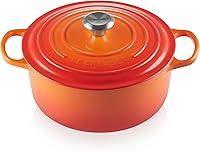
How to Clean a Burnt Dutch Oven
Here's how to clean a burnt Dutch oven: cool it, soften the stuck food with warm water, and remove it gently. Avoid soaking bare cast iron; use finish-safe tools, then rinse and dry thoroughly.
On this page (9 sections)
- What should you do first when a Dutch oven is burnt?
- How to clean a burnt Dutch oven step by step
- How does cleaning change for bare cast iron and enamel?
- Which scraper should you buy for burnt food?
- Can you use Bar Keepers Friend on a burnt Dutch oven?
- When should you stop cleaning a stubborn mark?
- What mistakes make burnt Dutch oven cleanup harder?
- How can you prevent another burnt layer?
- Which approach should you choose to clean a burnt Dutch oven?
Here's how to clean a burnt Dutch oven: let it cool, soften stuck food with warm water, and lift the residue gently. Match your tools to the interior finish, then wash, rinse, and dry the pot thoroughly.
A black crust needs food removal, while a smooth brown mark may be staining. Knowing the difference helps you avoid scraping a clean surface harder than necessary.
Start with supplies you already have: dish soap, a soft sponge, and a finish-safe spatula or brush. Add a scraper for stubborn food; choose a cleanser only after confirming it suits your pot.
What should you do first when a Dutch oven is burnt?
Cool the pot and identify its interior finish before adding water or choosing a cleaner. Set it on a heat-safe surface, and keep the lid nearby to clean separately.
Don't carry a heavy, hot pot to the sink or pour cold water into it. A sudden temperature change can damage cookware, especially enamel.
Once cool, empty loose food into the trash and wipe out excess grease. This exposes the stuck layer and keeps large food scraps out of your drain.
Check the interior, rather than judging by the outside color. Some Dutch ovens have dark enamel that can look like bare iron; the model's care guide should identify the surface.
How to clean a burnt Dutch oven step by step
Soften the residue before scraping, and work in small areas with light pressure. Leave enough room in the sink to support the pot securely without knocking it against the faucet.
- Add warm water. Cover the stuck food rather than filling the pot to the rim, which makes it heavier to handle.
- Loosen the crust. Give enamel a short soak if its care guide permits one; work promptly on bare cast iron without prolonged soaking.
- Lift softened food. Use an approved scraper, brush, or spatula at a shallow angle, starting at an edge where the residue releases.
- Wash with dish soap. Use a soft sponge to remove grease and loose debris, following the cookware's cleaning directions.
- Rinse and inspect. Drain the dirty water so you can distinguish remaining food from a flat stain.
- Dry completely. Include the lid, rim, and handles before putting the pot away.
If a thick patch remains, repeat the softening step instead of pushing harder. Stop when the tool catches on the surface itself or leaves marks.
How does cleaning change for bare cast iron and enamel?
Bare cast iron needs protection from lingering moisture; enamel needs protection from scratches and chips. Neither finish benefits from aggressive scraping just to restore its original color.
How do you clean a burnt bare cast iron Dutch oven?
Use warm water and a suitable scraper or brush, then wash and dry promptly. A little dish soap can help remove grease; follow your pot's care guide for the full routine.
A dark cooking surface is normal on seasoned iron, so don't scour away an even black layer to expose gray metal. Focus on raised, stuck food and loose flakes.
After towel-drying, check the rim and underside for trapped water. If the maker recommends drying over low heat, stay with the pot and remove it once dry.
Apply cooking oil as directed, wiping away excess so the surface isn't sticky. Rust or broad patches of exposed iron call for a seasoning repair routine, rather than more food scraping.
How do you clean a burnt enameled Dutch oven?
Start with warm water, dish soap, and a soft sponge. Use a plastic scraper only when the cookware maker permits it, and keep its edge flat against the surface.
Pay attention to the curve where the base meets the wall, since food can remain there after the flat bottom looks clean. Don't use a pointed tool to dig into that corner.
For stubborn residue, follow an enamel-specific cleaning method approved for your pot. Our guide to how to clean an enameled Dutch oven explains routine care in more detail.
Which scraper should you buy for burnt food?
Choose the pan scrapers for Dutch oven cleanup alone; choose the combo if you also clean a Lodge grill pan. Both options are tools for lifting softened food, not substitutes for loosening a hard crust.
Lodge Cast Iron Pan Scrapers: for everyday pot cleanup
The Lodge Cast Iron Pan Scrapers are a 2-pack of compact polycarbonate tools with different angles and edges. Those shapes help you reach the base, curved sides, and corners of cookware.
Choose this set if you regularly deal with stuck food and want a small tool that fits in a kitchen drawer. The second scraper also gives you a spare without adding a specialized grill tool.
Skip it if a soft sponge already removes your usual messes, or if your pot's care guide doesn't allow rigid plastic scrapers. It also won't solve discoloration that feels smooth under the sponge.
Let the cookware cool before use, and check the scraper's edge for damage before pressing it against the finish. Wash away trapped grease and food after cleaning.
Lodge Grill Scraper Combo: for pots and grill pans
The Lodge Grill Scraper Combo includes 1 pan scraper and 1 grill scraper, made from rigid polycarbonate. The pan tool has assorted angles, while the grill tool has teeth designed for modern Lodge grill pans.
Choose the combo if both kinds of cookware need regular attention. The pan scraper handles the Dutch oven job; the toothed tool earns its space when you clean a compatible grill pan.
Skip this set if your cookware has only smooth cooking surfaces. The teeth add no useful advantage on a flat Dutch oven base, so the standard pan scraper pack is the more focused choice.
The combo is dishwasher safe, which simplifies cleaning the tools after a greasy meal. That permission applies to the scrapers, not automatically to the Dutch oven.
Can you use Bar Keepers Friend on a burnt Dutch oven?
Use this cleanser only on surfaces permitted by both its directions and your cookware's care guide. Its approval for stainless steel does not guarantee approval for enamel or seasoned cast iron.
Bar Keepers Friend Cookware Cleanser is a stainless steel cleaner and degreaser. The brand says it removes grease, baked-on food, mineral deposits, and rust stains.
It suits readers cleaning approved stainless steel cookware who need more than a scraper and dish soap. Skip it for a seasoned iron interior, or for enamel when you cannot confirm permission from both sets of directions.
Remove loose food first so the cleanser reaches the remaining soil. Follow the label's application and contact-time directions, avoid letting it dry on the surface, and rinse thoroughly.
Don't mix it with other cleaners or leave it in the pot as an overnight soak. For questions about coating damage, read are enameled Dutch ovens safe.
When should you stop cleaning a stubborn mark?
Stop scraping once the surface is smooth and free of food. A lingering color change is different from a raised crust and doesn't justify stronger pressure.
Use a soft sponge to check the area after rinsing, rather than dragging a fingernail or knife across it. If the stain remains, use only the pot maker's approved stain-removal method.
A chip, crack, or flaking interior needs a different response. Stop using a pot with damaged cooking-surface enamel and ask its manufacturer about the next step.
What mistakes make burnt Dutch oven cleanup harder?
Avoid sharp tools, sudden temperature changes, and stronger cleaning than the finish allows. Metal knives and steel wool can damage enamel, while prolonged wet storage can rust bare iron.
Don't scrub through seasoning because you mistake it for burnt food. Don't use extra cleaner or longer contact times in the hope of speeding up the job.
The dishwasher also isn't a shortcut for a burnt crust. Read whether Dutch ovens are dishwasher safe before putting your particular pot through a cycle.
How can you prevent another burnt layer?
Use moderate heat, enough liquid, and timely stirring for the recipe you're making. Cast iron holds heat, so lowering the burner early can be more useful than waiting until food sticks.
Scrape the base gently while stirring thick sauces, especially around the edges. If food burns, transfer the unburnt portion without scraping the scorched layer into it.
Learn your pot's heating behavior with our guide to how to use a Dutch oven. If you're choosing different cookware, our best Dutch ovens guide is a starting point for comparing options.
Which approach should you choose to clean a burnt Dutch oven?
Choose by finish first, then by the residue left behind. Knowing how to clean a burnt Dutch oven starts with separating stuck food, staining, and surface damage.
Use the Lodge pan scrapers for softened food on permitted surfaces. Pick the Grill Scraper Combo only if its separate grill tool also has a job in your kitchen.
Choose Bar Keepers Friend Cookware Cleanser for approved surfaces that need its cleaning action. For smooth enamel stains or damaged coatings, follow the pot maker's guidance instead of increasing scraping pressure.
Keep the next cleanup simple by drying the pot fully and storing it without trapped moisture. Follow how to clean an enameled Dutch oven for coated cookware, or browse our Dutch oven care and use guide for routine care.
Frequently asked questions
How do you clean a burnt Dutch oven?
Cool the pot, soften burnt food with warm water, and lift the loosened residue with a tool suited to the finish. Soak enamel only as its care instructions allow, and avoid soaking bare cast iron; wash, rinse, and dry thoroughly before storing the pot.
Can you use Bar Keepers Friend on an enameled Dutch oven?
Use this cleanser on enamel only when both the cleaner's directions and your pot's care instructions permit it; approval for stainless steel does not guarantee approval for enamel. Start with warm water, dish soap, and a soft sponge; use any approved cleaner only for the contact time its directions specify.
Can you use steel wool on a Dutch oven?
Avoid steel wool on enamel because it can scratch the coating; for bare cast iron, start with warm water and a suitable scraper or brush. More abrasive work can remove seasoning, so reserve it for restoration when the pot maker's instructions call for it, rather than routine food cleanup.
How do you remove burnt food from bare cast iron?
Loosen burnt food with warm water and a suitable scraper or brush, then wash and rinse the pot without a long soak. Dry it promptly and completely, including the rim and lid; follow the maker's instructions for applying a very thin layer of cooking oil or restoring damaged seasoning.