10 Best Dutch Oven Brands (October 2026)
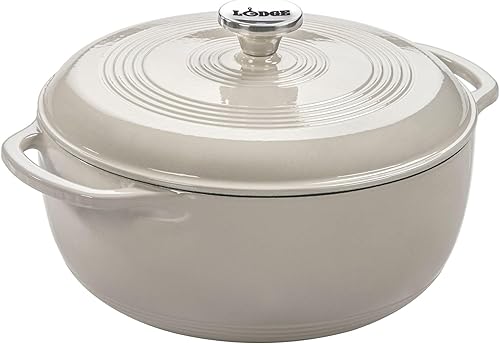
The best Best Dutch oven brands for home cooking include the Lodge 6 Qt Enameled Dutch Oven for everyday family cooking, the Overmont 5.5 Qt Enameled Dutch Oven for new bread bakers, and the Le Creuset 5.5 Qt Round Dutch Oven for watching sauces brown.
On this page (6 sections)
The best Dutch oven brands for most home cooks start with Lodge, followed by options from Overmont, Le Creuset, Amazon Basics, Staub and Tramontina. Choose by cooking surface, batch size and handling before choosing by brand reputation.
Lodge's enameled model is our first choice for everyday kitchen meals. Le Creuset suits cooks who want a light interior, Staub suits covered braises, and seasoned Lodge cast iron extends cooking to grills and campfires.
Our complete enameled Dutch oven guide explains the surface choice. For brand background, read whether Lodge Dutch ovens are good and whether Le Creuset is worth the money.
Our picks at a glance
-
1
-
2

-
3

- 4
 Check it
Amazon Basics 6 Qt Enameled Dutch Oven
Best for straightforward batch cooking - 5
 Check it
Lodge 7 Qt Cast Iron Dutch Oven
Best for outdoor cooking - 6
 Check it
Le Creuset 6.5 Qt Signature Deep Oven
Best for soup-heavy meal plans - 7
 Best for large covered braisesCheck it
- 8
 Check it
Tramontina Bestow 5.5 Qt Dutch Oven
Best for moderate-temperature meal prep - 9
 Check it
Amazon Basics 4.3 Qt Enameled Dutch Oven
Best for smaller households - 10
 Check it
Staub 3.5 Qt Pumpkin Dutch Oven
Best for seasonal table serving
How we chose the best Dutch oven brands
We put everyday usefulness first, comparing cooking surfaces, capacity, handling, care and recipe limits. Each score belongs to the individual pot, so a brand's higher placement does not make every model its best choice.
These brands share cast iron's ability to hold heat, but they offer different shapes and surfaces. More depth helps with soup, a light interior helps reveal browning, and seasoned iron opens different cooking settings.
We favored models with a clear place in a home kitchen. Accessories can help a beginner, but the pot still needs to fit your meals, burner, sink and storage space.
Start with your usual recipe and use our guide to Dutch oven sizes and shapes if capacity is uncertain. Our broader best Dutch ovens roundup also helps if you're choosing a specific pot rather than a brand.
| Product | Best for | Capacity | Material | Oven safe | Our score |
|---|---|---|---|---|---|
| Lodge 6 Qt Enameled Dutch Oven | everyday family cooking | 6 qt | Enameled cast iron | Up to 500°F | 9.1 |
| Overmont 5.5 Qt Enameled Dutch Oven | new bread bakers | 5.5 qt | Enameled cast iron | Up to 500°F | 8.8 |
| Le Creuset 5.5 Qt Round Dutch Oven | watching sauces brown | 5.5 qt | Enameled cast iron | 8.6 | |
| Amazon Basics 6 Qt Enameled Dutch Oven | straightforward batch cooking | 6 qt | Enameled cast iron | Up to 500°F | 8.5 |
| Lodge 7 Qt Cast Iron Dutch Oven | outdoor cooking | 7 qt | Seasoned cast iron | Up to 400°F | 8.2 |
| Le Creuset 6.5 Qt Signature Deep Oven | soup-heavy meal plans | 6.5 qt | Enameled cast iron | Up to 500°F | 8.0 |
| Staub 7 Qt Round Cocotte | large covered braises | 7 qt | Enameled cast iron | Up to 900°F without lid; lid up to 500°F | 8.0 |
| Tramontina Bestow 5.5 Qt Dutch Oven | moderate-temperature meal prep | 5.5 qt | Enameled cast iron | Up to 450°F | 7.6 |
| Amazon Basics 4.3 Qt Enameled Dutch Oven | smaller households | 4.3 qt | Enameled cast iron | Up to 500°F | 7.5 |
| Staub 3.5 Qt Pumpkin Dutch Oven | seasonal table serving | 3.5 qt | Enameled cast iron | Up to 900°F without lid; lid up to 500°F | 7.4 |
Best Dutch oven brands by cooking style
Lodge is the broadest starting point, but the right model depends on how you cook. The picks below keep their individual scores and explain who should buy each pot and who should choose another shape or surface.
Lodge leads our best Dutch oven brands picks
Lodge 6 Qt Enameled Dutch Oven
- 6 qt capacity
- Non-reactive enamel surface
- Oven safe up to 500°F
- Compatible with induction
A practical first Dutch oven for family stews, tomato sauces and covered roasts. Its enamel surface needs no seasoning, but the weight deserves attention before buying.
Pros
- Handles acidic ingredients
- Works on gas, electric, ceramic and induction
- Dual handles
Cons
- Weighs 14.9 lb before adding food
- Hand washing recommended
Choose this Lodge as a first Dutch oven for regular family cooking. Its 6 qt capacity gives stews, sauces and covered roasts room without moving straight to one of the largest pots here.
The non-reactive enamel makes it a useful choice for tomato-based meals and other acidic recipes. You can brown ingredients, add liquid and finish the dish in the same vessel without maintaining an oil-seasoned cooking surface.
Its main buying hurdle is weight: 14.9 lb before dinner goes in. Plan a clear landing spot beside the oven, and consider whether you can lift a full pot safely with both hands.
Skip it if you mostly cook small portions or need cookware for open-fire use. For more context around this choice, see our Lodge budget cookware guide.
Lodge recommends hand washing with warm, soapy water and a nylon brush. Letting the pot cool before washing is a better routine than rushing a hot, heavy vessel into the sink.
Overmont suits cooks making dinner and bread
Overmont 5.5 Qt Enameled Dutch Oven
- 5.5 qt capacity
- Condensation bumps inside lid
- Oven safe up to 500°F
- Includes cookbook and cotton handle covers
A dinner-and-bread option for cooks building a Dutch oven routine. The cookbook adds recipe ideas, while the enamel needs no seasoning.
Pros
- Compatible with induction
- Moisture-returning lid design
- Cooking accessories included
Cons
- Hand washing required
- Overmont provides a 1-year warranty
Overmont suits someone who wants one pot for family dinners and bread. Its 5.5 qt size works for shared meals, while the included cookbook gives a new Dutch oven cook somewhere to start.
The lid's condensation bumps return moisture toward the food during covered cooking. That design suits braises, but it does not replace checking liquid levels or cooking meat until it reaches the right tenderness.
For bread, match the loaf size and baking method to the pot before mixing dough. The 500°F oven limit gives useful recipe room, but any instruction to heat an empty enameled pot should agree with Overmont's care directions.
Cotton handle covers are included, though you should keep any fabric protection dry and follow its heat-use guidance. Use proper oven mitts for oven transfers.
Skip Overmont if you want dishwasher cleaning or prioritize a longer brand warranty. Compare loaf-focused options in our guide to the best Dutch ovens for sourdough bread.
Le Creuset helps you follow browning
Le Creuset 5.5 Qt Round Dutch Oven
- 5.5 qt round shape
- Light smooth enamel interior
- Ergonomic handles and knob
- Compatible with all cooktops
The light interior helps you follow browning before adding liquid for a sauce or braise. Ergonomic handles suit cooks who often move meals from stove to oven.
Pros
- Requires no seasoning
- Light interior shows cooking progress
- Limited lifetime warranty
Cons
- Weighs 5.1 kg
- Confirm the oven limit for this exact model before high-heat baking
Choose this Le Creuset if you often build sauces from browned ingredients. The light, smooth interior makes it easier to see the difference between golden deposits worth deglazing and food that is starting to burn.
Its ergonomic handles and knob also deserve attention if you regularly move dinner from stove to oven. Handle design matters most when your hands are inside thick mitts, so allow space around the pot for a secure grip.
The round shape suits cooks who want a general-purpose pot rather than the deeper Le Creuset below. A limited lifetime warranty is another reason to consider it, though warranty terms should not replace careful use.
Skip it if your main goal is outdoor cooking or if a simpler enameled pot already meets your needs. Confirm the oven limit for this exact model before high-heat baking.
Our Le Creuset Dutch oven size guide helps if you like the design but are unsure about capacity.
Amazon Basics fits straightforward batch cooking
Amazon Basics 6 Qt Enameled Dutch Oven
- 6 qt capacity
- Smooth enamel finish
- Dual handles
- Oven safe up to 500°F
A straightforward family-size pot for stews, casseroles and planned leftovers. Choose it for its capacity rather than included extras.
Pros
- Sized for meals serving 4 to 6
- Stove-to-oven cooking
- Round shape
Cons
- Hand washing required
- Avoid citrus-based cleaners and metal utensils
Choose the larger Amazon Basics pot for stews, casseroles and planned leftovers. Its 6 qt capacity is intended for meals serving 4 to 6, although appetites and the recipe will change how far a batch goes.
This is a straightforward choice for cooks who want a round enameled pot without choosing around accessories or a decorative shape. The dual handles support two-handed transfers, and the oven limit is 500°F.
A useful meal-prep approach is to cook one generous batch, then move leftovers into smaller containers. That frees the pot for the next meal and avoids storing a heavy vessel in a crowded fridge.
Skip it if hand washing will keep you from using it regularly. Amazon Basics calls for warm, soapy water and advises against citrus-based cleaners and metal utensils.
Our best budget Dutch ovens roundup gives more context if a basic cooking role is your priority.
Seasoned Lodge cast iron suits outdoor meals
Lodge 7 Qt Cast Iron Dutch Oven
- 7 qt capacity
- Oil-seasoned cast iron
- Suitable for grills and campfires
- Fitted cast iron lid
The outdoor choice for cooks who want one pot for the kitchen, grill and campfire. Its seasoned surface calls for prompt drying and regular oil care.
Pros
- Made in the USA
- Indoor and outdoor use
- No enamel coating
Cons
- Weighs 17.6 lb
- Needs seasoning care and hand washing
Choose this Lodge for kitchen and outdoor cooking, especially when grill or campfire use is part of the plan. Its oil-seasoned surface separates it from the enameled pots in this roundup.
The 7 qt capacity suits larger meals, but its 17.6 lb empty weight makes carrying distance a real concern. Think about the route from your cooking spot to a stable serving surface before filling it.
Seasoned cast iron needs a different cleanup routine: wash, dry promptly and maintain a thin layer of oil. Avoid leaving it soaking or storing it damp.
Skip it if you want low-effort care for frequent long tomato braises. An enameled pot is the simpler fit for that routine.
For oven recipes, stay within this model's 400°F limit rather than assuming every cast iron pot suits hotter bread methods. Our Lodge vs Le Creuset Dutch oven guide explains more of the surface tradeoffs.
Le Creuset's deep oven suits soup-heavy routines
Le Creuset 6.5 Qt Signature Deep Oven
- 6.5 qt capacity
- Tall sides and extra depth
- Light smooth enamel interior
- Oven safe up to 500°F
Extra depth suits soups, stews and pasta dinners that need room for stirring. Pick it when tall sides matter more than easy access to the bottom.
Pros
- Tall sides help contain splatters
- Compatible with all cooktops
- Dishwasher safe
Cons
- Weighs 6.59 kg
- Deep sides make turning food less convenient
Choose the Signature Deep Oven if soups, stews and pasta dinners fill most of your weekly menu. Its extra depth gives you more room above the food for stirring and helps contain splatters.
The 6.5 qt capacity is useful when a regular batch feels cramped. Still, extra volume does not automatically mean extra room for browning meat in one layer.
Tall sides also make reaching and turning ingredients less convenient than in a shallower vessel. Use long utensils and brown meat in batches instead of piling it into the bottom.
Skip this shape if most of your cooking involves frequent turning, shallow sauces or small portions. A standard round model will be easier to work in for those jobs.
Check shelf height as well as cabinet width before choosing it. At 6.59 kg empty, it also needs a storage spot that does not require lifting above shoulder level.
Staub's round cocotte suits large covered braises
Staub 7 Qt Round Cocotte
- 7 qt capacity
- Textured matte enamel interior
- Condensation spikes inside lid
- Compatible with induction
A large covered-cooking choice with a matte interior and moisture-returning lid. It suits generous braises better than small everyday portions.
Pros
- Made in France
- Interior texture designed for browning
- Works across stovetop types
Cons
- Weighs 15.2 lb
- Lid has a lower oven limit than the pot
Choose the Staub round cocotte for generous covered braises and stews. Its 7 qt capacity suits cooks who regularly need more room than a mid-size family pot provides.
The textured matte enamel interior is designed for browning, while spikes beneath the lid return condensation toward the food. Keep the lid on during a covered braise, then uncover near the end if the sauce needs reducing.
A dark interior takes a different visual approach from light enamel. Watch the food, smell and heat level closely rather than relying only on the color of deposits on the bottom.
Skip it for small daily portions or if easy lifting is your main requirement. The pot weighs 15.2 lb before adding food.
Its lid is limited to 500°F even though the uncovered pot has a higher limit. For a finish-focused comparison, read our Staub vs Le Creuset guide.
Tramontina suits moderate-temperature cooking
Tramontina Bestow 5.5 Qt Dutch Oven
- 5.5 qt capacity
- Off-white enamel interior
- Condensation ridges inside lid
- Oven safe up to 450°F
A family-meal option for braises, sauces and bakes that stay within its oven limit. The off-white interior helps you see browning as you cook.
Pros
- Compatible with induction
- Non-reactive cooking surface
- Lifetime warranty
Cons
- Hand washing required
- Lower oven limit than several alternatives
Choose Tramontina for braises, sauces and oven dishes that stay within its 450°F limit. That ceiling is enough for many meals, but it should be checked against your bread recipes before buying.
The off-white enamel interior gives you a light background for judging browning. Condensation ridges beneath the lid direct moisture back toward the food during covered cooking.
This makes it a sensible alternative for cooks who want a mid-size enamel pot and have no need for higher oven temperatures. Its 5.5 qt capacity fits the same general family-meal role as several other picks here.
Skip it if your regular recipes call for hotter baking and you do not want to change methods. Choose around the recipes you already make rather than hoping the limit will not matter.
Tramontina provides a lifetime warranty and calls for hand washing. Use gentle tools rather than treating smooth enamel like a scratch-proof surface.
Smaller Amazon Basics suits modest portions
Amazon Basics 4.3 Qt Enameled Dutch Oven
- 4.3 qt capacity
- Smooth enamel finish
- Dual handles
- Oven safe up to 500°F
A smaller everyday pot for cooks who rarely need a full family batch. It reduces unused capacity but still requires two-handed lifting.
Pros
- Sized for meals serving 3 to 4
- Smaller capacity than the 6 qt model
- Suitable for roasting and baking
Cons
- Still weighs 11.2 lb
- Hand wash without citrus-based cleaners
Choose the smaller Amazon Basics model if you rarely need a large batch. Its 4.3 qt capacity suits modest stews, smaller casseroles and meals for 3 to 4 people.
Buying less capacity can make sense when leftovers routinely go uneaten. It also discourages choosing an oversized pot for recipes that barely cover the bottom.
Still, smaller does not mean light: this pot weighs 11.2 lb. Check that you can manage it at the sink and reach both handles comfortably with mitts.
Skip it if you often double recipes, cook bulky roasts or want dinner plus several freezer portions. Crowding a smaller pot makes stirring harder and can leave too little room below the rim.
For bread, make sure your usual loaf has space to expand. If this capacity feels restrictive, compare the 5 to 6 qt Dutch oven picks before committing.
Staub's pumpkin cocotte suits table serving
Staub 3.5 Qt Pumpkin Dutch Oven
- 3.5 qt capacity
- Pumpkin shape
- Textured matte enamel interior
- Compatible with induction
A decorative cooking and serving pot for smaller dishes and seasonal meals. Buy it for a clear table-serving role rather than as a large batch-cooking pot.
Pros
- Made in France
- Moisture-returning lid spikes
- Works across stovetop types
Cons
- Smallest capacity here
- Weighs 12.3 lb despite its smaller capacity
Choose the pumpkin cocotte when cooking and table presentation share the job. Its shape suits seasonal meals, small shared dishes and buyers who want cookware that also serves as a centerpiece.
The matte enamel interior and moisture-returning lid make it a cooking vessel as well as a decorative piece. Use it for a smaller soup, vegetable dish or braise that fits comfortably below the rim.
Its 3.5 qt capacity is the smallest here, yet it weighs 12.3 lb. That makes it a poor choice if you're downsizing mainly to reduce lifting effort.
Skip it as your only Dutch oven if you regularly cook family batches or need flexibility for larger recipes. A conventional round pot gives you more capacity for that role.
Before serving, place a heat-safe trivet where everyone can reach the food safely. Keep the hot lid and handles away from guests' hands.
How to choose a Dutch oven you will use often
Choose surface, capacity and handling first, then compare brand details. A pot that fits your routine will be more useful than a larger or more decorative model that stays in the cabinet.
Start with enamel or seasoned iron
Choose enamel for frequent acidic sauces and a cooking surface that needs no seasoning. Choose seasoned iron if outdoor cooking matters and you are comfortable with drying and oil care.
These surfaces need different habits. Enamel can chip after impacts, while seasoned iron can rust if left wet; neither benefits from rough handling or neglected cleanup.
Match capacity to a normal meal
Use your most common recipe as the starting point. Leave space for stirring, bubbling liquid and bulky ingredients instead of planning to fill the pot to the rim.
For many families, a mid-size pot is a useful first choice. Go larger for regular batch cooking, and smaller when you usually cook modest portions with few leftovers.
Capacity alone does not tell you whether a roast or loaf will fit. Consider its shape and the room needed around the food as well.
Check where the pot must fit
Measure your oven, storage shelf and sink before buying. Include room for handles and enough space to lift the lid without hitting an oven rack.
On glass cooktops, lift cast iron rather than sliding it. For induction, match the base to the cooktop's requirements and begin with moderate power.
Separate browning space from depth
Choose depth for soups and bulky dishes, but look for usable bottom space when browning is the main job. A deeper pot cannot prevent crowded meat from steaming.
If you mostly cook shallow dishes, a Dutch oven may not be the most convenient shape. Tall sides are helpful for liquid-heavy meals, but they make frequent turning less easy.
How should you set up and use a new Dutch oven?
Wash it first, dry it and read the care directions before heating it. Check the rim, interior, handles and lid for damage while everything is cool and easy to handle.
For enamel, no oil seasoning is needed. For seasoned iron, follow the brand's directions for maintaining the cooking surface after cleaning.
Start stovetop cooking with low to medium heat and give the pot time to warm. Cast iron holds heat, so a high setting can overshoot the temperature you wanted.
Use enough oil for the recipe, dry ingredients before browning and work in batches. If food sticks, allow time for a crust to form before forcing it loose.
For braises, add liquid after browning and keep the simmer gentle. A tight lid returns moisture, but tenderness still depends on the cut, cooking time and temperature.
Set out dry mitts and a stable trivet before moving the pot. Our guide to using a Dutch oven for the first time walks through the cooking sequence.
Which mistakes shorten a Dutch oven's useful life?
Sudden temperature changes, harsh tools and poor storage habits are avoidable problems. Let the pot cool before washing, and do not add cold water to very hot enamel.
For stuck food, use warm water and a gentle soak once the pot has cooled. Work with a nylon brush or other suitable non-scratching tool rather than scraping hard with metal.
Treat enamel as a cooking surface, not as a nonstick coating that needs no oil. Sugary sauces, crowded ingredients and excessive heat can still leave food stuck to the bottom.
Dry the pot and lid before storage. With seasoned iron, dry promptly and maintain a very thin oil layer; leaving pooled oil can create a sticky surface.
Do not assume the lid, knob and pot share the same heat limit. Follow the lowest limit of the parts you use, and check any bread method that calls for empty preheating against the care directions.
Which of the best Dutch oven brands should you buy?
Choose Lodge enamel for a first family pot, or Overmont if dinner and bread share your plan. Pick the smaller Amazon Basics for modest portions and its larger model for straightforward batch cooking.
Choose standard Le Creuset for a light interior and ergonomic handles, or its deep oven for soup-heavy meals. Staub's round cocotte suits large covered braises, while the pumpkin makes more sense as a smaller serving pot.
Pick Tramontina when your recipes stay within its oven limit. Choose seasoned Lodge when grill and campfire use justify the added surface care.
The best Dutch oven brands become easier to compare once you know your batch size and cooking setting. Use our Dutch oven size guide to settle capacity, then the enameled Dutch oven buying guide to confirm your surface choice.
Our top 3 picks at a glance
-
1
-
2
-
3
Frequently asked questions
Which Dutch oven brand is best for most people?
Lodge is our first choice among the best Dutch oven brands for most home cooks; its enameled model suits regular kitchen meals, while the seasoned version adds outdoor use. Choose the surface first, then check capacity, lifting weight and recipe temperatures rather than buying on the brand name alone.
Are Le Creuset and Staub worth considering?
Yes, if their designs solve a problem in your cooking routine; Le Creuset's light interior helps you follow browning, while Staub offers a matte interior and condensation spikes beneath the lid. Compare handling, shape and batch size before choosing either, since a premium brand cannot make an unsuitable size more useful.
Is enameled or bare cast iron better?
Enameled cast iron is the easier choice for frequent tomato sauces and cooks who want to avoid seasoning care; seasoned cast iron suits people comfortable drying and oiling cookware after washing. For outdoor use, choose a model expressly suited to grills or campfires, such as the seasoned Lodge included here.
What size Dutch oven should I choose?
Choose a size that fits your usual meal with room to stir; a 5.5 to 6 qt pot is a useful starting point for family cooking, while smaller pots suit modest batches. Allow extra room for bulky ingredients and leftovers, then use our Dutch oven size guide to narrow the choice.
Can these Dutch ovens be used on induction?
The enameled Lodge, Overmont, Le Creuset, Staub and Tramontina models here support induction cooking; check the base against your cooktop's burner requirements and lift the pot rather than dragging it across the glass. Our guide to using a Dutch oven on induction explains the setup and heat-control basics.


