Are Le Creuset Dutch Ovens Worth It?
Le Creuset Dutch ovens are worth it for frequent cooks who want one pot for browning, braising, simmering, and baking. Choose a lower-cost Dutch oven if you cook occasionally or the weight would keep you from using it.
On this page (7 sections)
- Are Le Creuset Dutch ovens worth it for everyday cooking?
- When is a Le Creuset Dutch oven not worth the money?
- Which Le Creuset Dutch oven size is worth choosing?
- What should you check before buying a Le Creuset Dutch oven?
- How do you get useful results from the first cook?
- How do you clean it without damaging the enamel?
- So, are Le Creuset Dutch ovens worth it?
Le Creuset Dutch ovens are worth it for frequent cooks who use one pot for several jobs, including browning, braising, simmering, and baking. If you mainly need an occasional soup pot, a lower-cost Dutch oven is a better starting point.
The premium makes sense when the pot fits your meals, storage, and lifting needs. A size you can comfortably use each week offers more value than a larger one that stays in a cabinet.
Are Le Creuset Dutch ovens worth it for everyday cooking?
They can be worth it if you regularly make meals that start on the stove and finish with slow, steady heat. Think browned meat followed by a covered braise, beans simmered with aromatics, or a stew that stays in one pot.
Cast iron holds heat well, which helps maintain a simmer once the pot is hot. The tradeoff is slower response when you turn the burner down, so you'll need to manage heat before food starts catching.
A Dutch oven earns its space through repeated use, rather than the number of recipes it could handle. Write down your last 2 weeks of dinners and count how many would have suited one.
If that list is short, compare Dutch oven brands before committing to the premium tier. You don't need Le Creuset to make a good braise.
What makes Le Creuset Dutch ovens worth considering?
The strongest reasons are a light enamel interior, useful handles, and no seasoning routine. The pale cooking surface helps you see when onions brown, butter darkens, or browned bits need liquid before they burn.
These models have ergonomic handles and knobs, plus tight-fitting lids that Le Creuset designs to circulate steam and return moisture to food. That lid design suits covered cooking, though you'll still need enough liquid and a gentle simmer.
Enamel also lets you move between tomato sauces, stews, and other dishes without maintaining a bare cast iron cooking surface. It isn't a nonstick coating, so use cooking fat and control the heat.
When is a Le Creuset Dutch oven not worth the money?
Skip the premium if limited use, heavy lifting, or a poor size match would keep it off your stove. A brand name can't make an awkward pot easier to use.
If most dinners are quick eggs, small stir-fries, or foods that need fast heat changes, other pans deserve priority. A Dutch oven is better suited to retained heat and deeper cooking.
Weight matters before you add dinner: the 5.5 qt model weighs 5.1 kg, the deep 6.5 qt model weighs 6.59 kg, and the 7.25 qt model weighs 6.1 kg. The middle capacity is the heaviest of these 3.
If lifting heavy cookware is difficult, check how you'll move and empty it before buying. Serving food from the stove can avoid one move, but washing still requires handling the pot.
For occasional stews and weekend braises, our Lodge vs. Le Creuset comparison helps you weigh the premium against your actual needs.
Is the enamel worth the extra care?
Enamel is worthwhile if you want cast iron without seasoning, and you're willing to protect its surface. Le Creuset says its enamel resists staining, dulling, chipping, and cracking; sensible handling still matters.
Use wood or silicone utensils and avoid striking the rim with a spoon. Our guide to enameled Dutch oven safety covers related use questions.
Which Le Creuset Dutch oven size is worth choosing?
Choose for your normal batch, with enough room to stir and simmer safely. Buying extra capacity for a rare holiday meal can leave you handling more pot than you need all year.
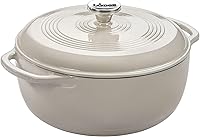
Choose the 5.5 qt round model for everyday meals
The 5.5 qt round model is the sensible starting point if you want a regular dinner pot and don't routinely cook large batches. It's also the lightest choice here, which matters each time you lift it from storage.
Choose it for manageable batches of stew, beans, sauces, and braises. Skip it if your usual recipes already crowd a pot of similar capacity or you regularly cook extra portions for freezing.
Don't choose solely by household size. A couple who batch-cooks may need more room than a larger household making just enough for dinner.
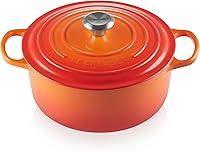
Choose the 6.5 qt deep model for liquid-heavy cooking
The deep model suits cooks who want more headroom for soups, pasta dinners, and dishes that need frequent stirring. Le Creuset designs its tall sides to help contain splatters and reduce boil-overs.
Choose it because your meals benefit from depth, rather than treating it as an automatic upgrade from the smaller round pot. Extra volume doesn't necessarily give you extra room to spread meat across the cooking surface.
Skip it if easier lifting is your main goal or your recipes mostly need shallow, uncovered cooking. For those meals, compare a Dutch oven with a braiser before choosing a deep pot.
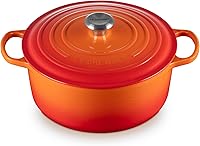
Choose the 7.25 qt round model for larger batches
The larger round model suits cooks who regularly make extra stew, beans, or braised meals for guests and leftovers. Buy it when that extra capacity serves a recurring need.
Skip it if you usually make small dinners or would struggle to store and wash a larger pot. A roomy vessel also won't fix crowded browning; work in batches when ingredients cover the base too tightly.
Our Le Creuset Dutch oven sizes guide compares the choices, while the broader Dutch oven size guide helps you match capacity to your cooking.
What should you check before buying a Le Creuset Dutch oven?
Check fit, handling, and cooking shape before choosing a color. Those details decide whether the pot works comfortably in your kitchen.
Measure cabinet height, oven clearance with the lid on, and the space around nearby burners. Include the handles when checking storage and leave room to grip them with oven mitts.
All 3 models work with every cooktop type, including induction. Match the burner to the pot's base and lift the pot across a glass surface instead of sliding it.
Think about the food itself, too. A tall pot suits liquid-heavy meals, while browning needs enough base area for food to sit in a single layer.
For bread, check the recipe's required temperature and preheating method against the instructions for your exact model and lid. Don't assume every Dutch oven recipe suits every enamel pot.
How do you get useful results from the first cook?
Start with a forgiving soup or braise and moderate heat. Wash the pot with warm soapy water, rinse, and dry it before its first use; these enamel models need no seasoning.
For stovetop browning, follow the pot's heating instructions and avoid prolonged empty heating. Give the cast iron time to warm rather than turning the burner high to hurry it.
Pat meat dry and brown it in batches. Crowding traps steam, so adding more food at once can slow browning even in a large pot.
Add liquid while browned bits are still brown, then loosen them with a suitable utensil. Once the dish simmers, lower the heat enough to keep it gentle.
Leave headroom for bubbling and stirring, especially with beans, pasta, and thick soups. Keep dry oven mitts ready, and clear a stable landing spot before moving hot cookware.
Our first-use Dutch oven guide explains the basic cooking steps in more detail.
How do you clean it without damaging the enamel?
Let the pot cool before washing, then soften stuck food instead of scraping hard. Sudden temperature changes and harsh cleaning tools are avoidable sources of damage to enameled cookware.
Use warm water, dish soap, and a soft sponge for routine cleanup. For stubborn food, allow time to soak and follow Le Creuset's instructions for further cleaning.
All 3 models are dishwasher safe, but hand washing lets you control what touches the enamel. Dry the pot before storage and avoid stacking bare cookware directly against its interior.
Don't treat a stain as a reason to use a metal scourer. See how to clean an enameled Dutch oven for a gentler cleaning routine.
So, are Le Creuset Dutch ovens worth it?
Le Creuset Dutch ovens are worth it when regular use and a comfortable fit justify the premium. Pick the 5.5 qt round model for everyday batches, the 6.5 qt deep model for extra headroom, or the 7.25 qt round model for frequent larger meals.
If weight or occasional use makes you hesitate, choose a more affordable pot in the size you'll actually use. Our best Dutch oven guide is the next step for comparing those options.
Frequently asked questions
Are Le Creuset Dutch ovens worth the money?
Le Creuset Dutch ovens can be worth the money for frequent cooks who want one pot for browning, braising, simmering, and baking. Their light enamel interior and handles are useful details, but occasional cooks can meet the same basic cooking needs with a less costly Dutch oven.
What makes a Le Creuset Dutch oven different?
These models combine enameled cast iron, a light interior, ergonomic handles, and tight-fitting lids designed to return moisture to food. The enamel needs no seasoning, and all 3 work on every cooktop type, including induction, but those shared features alone don't prove an advantage over every competing Dutch oven.
Which Le Creuset Dutch oven size should I choose?
Start with the 5.5 qt round model for everyday meals unless your usual recipes need more room. Choose the 6.5 qt deep model for liquid-heavy dishes and extra headroom, or the 7.25 qt round model for larger batches, then check storage space and your ability to lift it.
Is a Le Creuset Dutch oven hard to clean?
Routine cleaning is straightforward when you let the pot cool, soak stuck food, and use a soft sponge with dish soap. All 3 models are dishwasher safe, though hand washing gives you control over cleaning tools; avoid abrasive pads and sudden temperature changes, and follow the instructions for your pot.