Le Creuset 5.5 Qt Dutch Oven Review: Worth It? (October 2026)
The Le Creuset 5.5 qt Dutch oven is a good fit for regular one-pot cooking, from soups to covered braises. Choose it for moderate batches; choose a larger pot if your usual recipes need more room.
On this page (10 sections)
- The Le Creuset 5.5 qt Dutch oven at a glance
- What do its enamel, handles and lid change?
- Is this the right capacity for your usual meals?
- Should you choose the Signature Deep Oven instead?
- Which Staub alternative suits a different buyer?
- How should you set it up for the first meal?
- Which mistakes cause the most trouble?
- How do you clean and store the enamel?
- Is the Le Creuset worth choosing over another brand?
- Should you buy the Le Creuset 5.5 qt Dutch oven?
The Le Creuset 5.5 qt Dutch oven is a good choice for regular one-pot meals, especially soups, stews and covered braises. Its round shape and light interior suit cooks who want to brown ingredients, add liquid and finish dinner in the same pot.
Choose it for the meals you make each week. If you mainly need large freezer batches, a lighter vessel or a wide surface for shallow cooking, another pot will fit better.
The Le Creuset 5.5 qt Dutch oven at a glance
The strongest reason to choose this pot is its mix of useful capacity and cooking flexibility. It handles stovetop cooking and oven recipes without the larger volume of the other full-size options below.
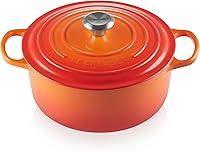
Le Creuset 5.5 Qt Round Dutch Oven

- 5.5 qt round shape
- Light-colored smooth enamel interior
- Compatible with all cooktops
- No seasoning required
The most practical choice here for moderate batches of soup, stew and covered roasts. Its light interior helps you watch browning and sauce reduction.
Pros
- No seasoning required
- Light interior makes browning easier to see
- Tight-fitting lid returns moisture
- Works on induction and other cooktops
Cons
- Less room for batch cooking than the larger alternatives
- Heavy to lift when full
Le Creuset's tight-fitting lid is designed to return condensed moisture to food. That suits a covered braise, where you want steady cooking with limited liquid loss.
A lid won't prevent food from drying out if the heat is too high or the liquid runs low. Check the simmer and recipe progress instead of leaving the pot unattended for the full cooking time.
Who should buy the Le Creuset 5.5 qt Dutch oven?
Buy it if your regular meals include sauce, beans, soup or meat cooked slowly in liquid. The same vessel can handle several stages, which cuts down on transfers between pans.
Skip it if most dinners are small, quick portions that fit comfortably in a saucepan. You'll still need to lift, wash and store a substantial cast iron pot after each meal.
For shallow cooking, such as several pieces of chicken arranged in one layer, compare base width as well as capacity. A deep pot can hold plenty of liquid without offering enough room for every ingredient to brown at once.
What do its enamel, handles and lid change?
The light enamel helps you judge browning, while the handles help you move a heavy pot with both hands. Those details matter during cooking and cleanup, not just when the pot sits on a shelf.
Browned bits show against a pale surface, making it easier to see when to lower the heat or add liquid. When deglazing, loosen those bits with a wooden or silicone utensil before they turn black.
Le Creuset describes its enamel as resistant to staining, dulling, chipping and cracking. Treat that as a reason to care for the finish, rather than permission to scrape it with sharp tools.
The ergonomic handles and knob provide places to grip, but cast iron remains heavy. Use dry oven mitts, hold both side handles and clear the route before moving hot food.
The lid serves a different job from an open simmer. Keep it on when the recipe needs moisture retention, then uncover toward the end if a sauce needs to thicken.
Is this the right capacity for your usual meals?
Choose this size when your normal recipe fits with room to stir and bubble. Capacity to the rim is not a sensible working fill level.
Start with a soup or stew you already make. Consider its liquid, vegetables and meat together, including any ingredients added near the end.
Don't use a fixed serving count as your main guide. A side of soup and a full dinner portion use different amounts, and planned leftovers change the size you need.
For roasts, check the shape of the food as well as its volume. A long cut may fit poorly in a round vessel even when the total capacity seems ample.
Our Dutch oven size guide explains how recipe volume and shape work together. The Le Creuset Dutch oven size guide helps narrow the choice within the brand.
Measure your storage shelf and oven space before ordering. Allow room to reach the handles and remove the lid without hitting the shelf above.
Should you choose the Signature Deep Oven instead?
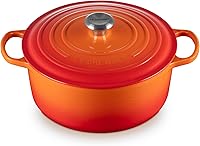
Choose the deeper Le Creuset if larger soups and stews are part of your normal routine. Its added height is useful when liquid volume matters more than a broad cooking surface.
The tall sides help contain splatters and reduce boil-overs. They don't remove the need to control heat or leave headroom.
Weight is a clear tradeoff: the standard round pot weighs 5.1 kg empty, compared with 6.59 kg for the Deep Oven. Food adds to both, so think about the trip from the stove to the sink.
Skip the deeper version if you rarely fill your current pot or mainly want more room to sear meat. Extra depth does not guarantee a wider base, and browning may still require several batches.
For occasional guests, cooking a second dish may be more practical than carrying a larger pot all year. Buy the added capacity when it solves a frequent problem.
Which Staub alternative suits a different buyer?
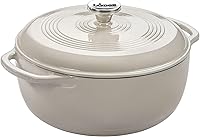
The larger Staub suits generous batches, while the pumpkin cocotte suits smaller dishes served at the table. Neither is a direct size match for the main Le Creuset.
Choose the round cocotte if you regularly cook enough stew or braised food for a group and want leftovers. Its spiked lid returns condensed moisture, and Staub says the textured matte enamel promotes browning.
The dark interior makes changes in the color of cooking juices less obvious than on pale enamel. Watch the food, heat and smell closely, especially while browning onions or building a sauce.
At 15.2 lb empty, it needs a comfortable two-handed lifting routine. Skip it if handling weight is already a concern or you seldom need its extra capacity.
Choose the pumpkin model when presentation is a real part of its job, such as serving a smaller stew or vegetable dish. Its shape makes more sense as a deliberate serving choice than as the default pot for every dinner.
Small capacity doesn't mean light weight: it weighs 12.3 lb empty. Skip it if you're downsizing mainly to make cookware easier to carry.
Our Staub vs Le Creuset comparison explores the brand choice further. Use the Dutch oven size guide if batch size is still the main uncertainty.
How should you set it up for the first meal?
Wash, dry and plan a simple recipe first, rather than starting with an unfamiliar high-heat technique. The Le Creuset enamel needs no seasoning.
Read the instructions supplied with the pot, including the guidance for its knob and oven use. Bread recipes deserve extra attention because some call for an empty preheat or unusually high heat.
Choose a soup, stew or sauce that lets you learn how slowly the pot warms and cools. Cast iron retains heat, so turning down the burner won't stop a hard boil at once.
Use these steps for a straightforward first braise:
- Prepare ingredients before heating the pot so you can control each stage without rushing.
- Add the recipe's cooking fat and warm gradually, following Le Creuset's directions.
- Dry meat surfaces and brown in batches, leaving gaps between pieces.
- Add vegetables and liquid as directed, loosening browned bits gently.
- Bring to a gentle simmer, cover and check the heat again after a few minutes.
- Place the finished pot on a heat-safe surface before serving.
For induction, start gently rather than using a boost setting to rush the warm-up. Lift the pot when moving it across a glass surface instead of dragging it.
Our first-use Dutch oven guide covers the cooking sequence in more detail.
Which mistakes cause the most trouble?
Crowding, excessive heat and sudden temperature changes are the habits to avoid. Each can make cooking or cleanup harder even with a well-made pot.
Crowded meat releases moisture faster than it can escape, so food steams instead of browning. Work in batches and return the meat after the sauce ingredients are ready.
High heat can scorch a thick sauce along the bottom while the surface looks calm. Stir through the base and corners, and reduce heat once the pot is warm.
A covered pot loses less moisture than an uncovered one. If the sauce finishes thin, remove the lid and reduce it gently rather than adding more thickener at once.
Don't pour cold water into a very hot pot or move hot cookware straight into a cold sink. Let it cool before washing to limit sudden temperature stress.
Finally, don't assume the dark residue from a burnt dish needs force. Soaking and a gentle cleaning method protect the enamel better than scraping with a sharp edge.
How do you clean and store the enamel?
Hand washing is a practical routine, even though Le Creuset describes this model as dishwasher safe. Let the pot cool, then use warm soapy water and a soft sponge.
Soak stuck food before trying to remove it. If residue remains, follow the brand's approved cleaning method instead of reaching for metal scouring tools.
Enamel needs no oil seasoning, and its care differs from bare cast iron. Dry the pot and lid before storage, and avoid knocking them against each other.
Hand washing is recommended for the larger Staub. It's also the safer choice for the pumpkin model because its care guidance includes hand-wash-only instructions.
Our guide to cleaning an enameled Dutch oven covers routine food residue and stubborn marks.
Store the pot where you can lift it without twisting or reaching overhead. If you stack cookware, use a soft barrier to keep hard surfaces from rubbing against the enamel.
Is the Le Creuset worth choosing over another brand?
Choose Le Creuset when its light interior and overall fit match your cooking habits. The brand name alone doesn't mean this is the right size or weight for your kitchen.
If you're replacing cookware you rarely use, first identify why it stays in the cupboard. A premium pot won't solve a mismatch between your meals, storage space and lifting comfort.
For a broader view of the category, compare our best Dutch ovens. Our Lodge vs Le Creuset comparison is useful if you're deciding how much emphasis to place on brand-specific features.
Should you buy the Le Creuset 5.5 qt Dutch oven?
Buy the Le Creuset 5.5 qt Dutch oven if moderate one-pot meals are your weekly routine and you're comfortable lifting cast iron. Before ordering, confirm that your most-used recipe fits with headroom and that you have an easy storage spot.
Choose the Deep Oven for frequent larger liquid-based meals, or the round Staub for bigger batches. Choose the pumpkin cocotte when smaller dishes and table presentation are the reason for buying.
If the size fits but the premium choice still needs thought, read whether Le Creuset Dutch ovens are worth it before deciding.
Frequently asked questions
Is the Le Creuset 5.5 qt Dutch oven worth it?
It makes sense for cooks who regularly prepare soups, stews, covered roasts and other one-pot meals; the light interior helps you watch browning, and the round shape suits everyday cooking. Skip it if you mostly cook small portions, need a lightweight pot or rarely use covered oven cookware.
What can you cook in a Le Creuset 5.5 qt Dutch oven?
You can cook soups, stews, pasta sauces, covered roasts and suitable bread or cake recipes; match the recipe's volume and oven instructions to your pot, leaving room for stirring and bubbling. Brown meat in batches rather than crowding the base, then add liquid for the covered cooking stage.
Can the Le Creuset 5.5 qt Dutch oven go in the oven?
Yes, this model supports oven cooking, so you can move a suitable recipe from the stovetop into the oven. Check the instructions supplied with your exact pot and knob before choosing the temperature, especially for bread recipes that call for high heat or an empty preheat.
How does the 5.5 qt Le Creuset compare with the 6.5 qt Deep Oven?
The 5.5 qt round model suits moderate batches, while the 6.5 qt Signature Deep Oven adds capacity and height for larger liquid-based meals; the deeper pot also weighs more. Choose by your usual recipes and lifting comfort; extra volume does not automatically mean more room to brown meat.